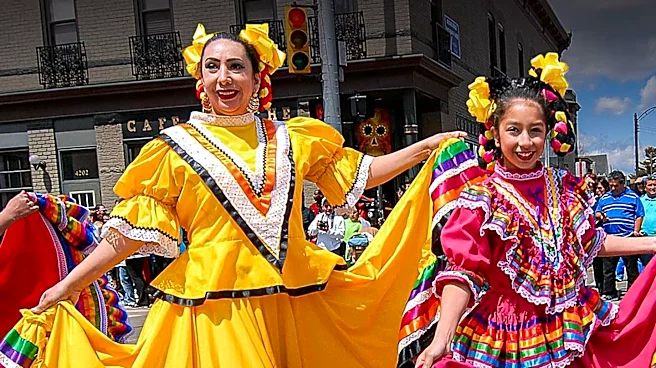





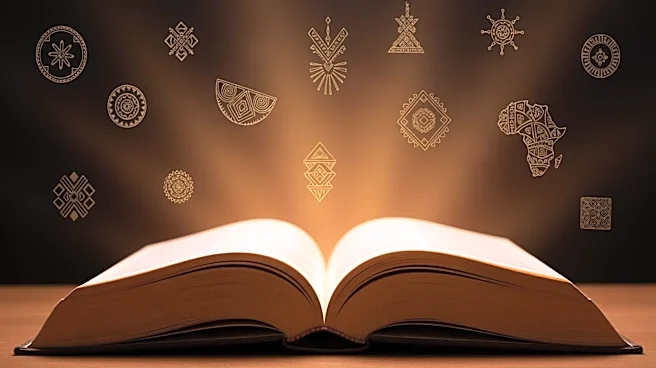
Panama is a vibrant mosaic of cultures, shaped by its indigenous roots, African heritage, and European influences. This cultural diversity is reflected in the country's traditions, music, dance, and art, creating a unique identity that is celebrated both locally and internationally. Panama's cultural tapestry is a testament to its rich history and the harmonious blending of different ethnic groups.
Indigenous Heritage and Traditions
Panama's indigenous peoples, including the Ngäbe,
Guna, and Emberá, have played a significant role in shaping the country's cultural landscape. These groups maintain their traditions and languages, contributing to Panama's cultural richness. Indigenous art, such as the intricate molas created by Guna women, showcases the creativity and craftsmanship of these communities.
Traditional festivals and ceremonies are integral to indigenous culture, offering a glimpse into their spiritual beliefs and way of life. The Harlequin Frog Festival, for example, raises awareness about conservation efforts while celebrating indigenous heritage. These cultural expressions highlight the importance of preserving Panama's indigenous identity in the face of modernization.
African Influence and Resilience
The African influence in Panama is profound, stemming from the transatlantic slave trade during the colonial era. Afro-Panamanians have contributed significantly to the country's cultural and social fabric, particularly in music and dance. Genres like salsa and reggaeton have roots in African rhythms, showcasing the dynamic fusion of cultures.
Afro-Panamanian communities, primarily located in urban areas like Panama City and Colón, celebrate their heritage through vibrant festivals and performances. These events serve as a reminder of the resilience and strength of the African diaspora, honoring their ancestors and cultural contributions.
European Legacy and Modern Integration
European colonization left a lasting impact on Panama's culture, evident in its architecture, language, and religious practices. Spanish is the official language, and Roman Catholicism is the predominant religion, reflecting the influence of European settlers. The colonial architecture in Casco Viejo, Panama City's historic district, is a testament to this legacy.
Panama's modern culture is a blend of these diverse influences, creating a dynamic and inclusive society. The country's cultural diversity is celebrated through various events and initiatives, promoting unity and understanding among different ethnic groups. This integration of cultures is a defining feature of Panama's identity, showcasing the beauty of diversity and coexistence.
Panama's cultural tapestry is a vibrant reflection of its history and the harmonious blending of indigenous, African, and European influences. This rich cultural heritage continues to shape the country's identity, offering a unique and colorful experience for residents and visitors alike.