





Crater Lake National Park in Oregon is not only a natural wonder but also a site of historical and cultural significance. Established in 1902, it is the fifth-oldest national park in the United States and the only national park in Oregon. This article explores the historical development and cultural importance of Crater Lake National Park.
Early Discoveries and Native American Legends
The first non-Native Americans to report sighting Crater Lake were gold prospectors John Wesley Hillman, Henry
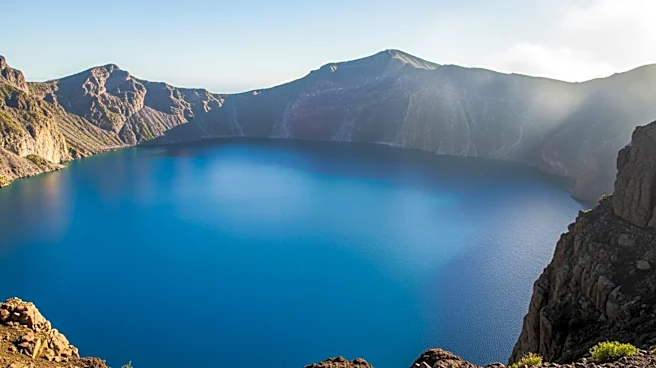
Klippel, and Isaac Skeeters in 1853. They were struck by the lake's vibrant blue color and named it "Deep Blue Lake." However, the discovery was soon forgotten as gold was the primary focus of settlers at the time.
Local Native Americans, particularly the Klamath people, have long held Crater Lake in high regard. Their legends tell of the collapse of Mount Mazama, which aligns closely with geological findings. The Klamath people regard the lake as a spiritual site, using it for vision quests and other cultural practices.
Establishment of the National Park
William Gladstone Steel played a crucial role in the establishment of Crater Lake National Park. His fascination with the lake began in 1870, and he devoted his life to its recognition and preservation. Steel participated in scientific surveys and named many of the lake's landmarks, including Wizard Island and Llao Rock.
With the help of geologist Clarence Dutton, Steel organized a USGS expedition in 1886 to study the lake. The data collected from this expedition, along with Steel's lobbying efforts, led to the establishment of the park by President Theodore Roosevelt in 1902. Crater Lake Lodge opened in 1915, and Rim Drive was completed in 1918, facilitating tourism and access to the park.
Cultural and Recreational Impact
Crater Lake National Park has become a popular destination for tourists and nature enthusiasts. The park offers a range of recreational activities, including hiking, fishing, and boat tours. The Cleetwood Cove Trail provides access to the lake's shoreline, and visitors can enjoy swimming and fishing in its pristine waters.
The park's cultural significance is reflected in its continued importance to the Klamath tribes and its role in preserving the natural beauty and ecological diversity of the region. Crater Lake National Park stands as a testament to the efforts of individuals like Steel and the enduring connection between nature and culture.