






Nightgowns have a rich history that spans several centuries, evolving from informal wear to the sleepwear we know today. This article traces the historical development of nightgowns, highlighting key milestones and changes in their design and purpose.
Early History and Origins
The term "nightgown" was first used as early as 1530, but its association with sleepwear was not established until much later. Initially, nightgowns were worn as informal attire around the house, similar
to modern dressing gowns. These garments were often made from luxurious materials like silk and velvet, reflecting the wearer's social status.
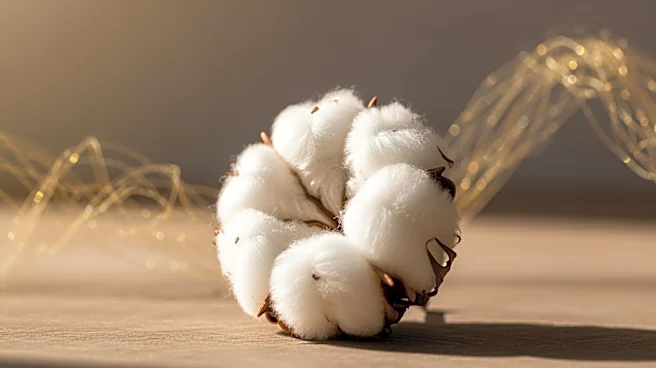
In the 18th century, nightgowns were predominantly worn by men, influenced by styles from India, Japan, and the Middle East. The kimono style became popular, characterized by its loose fit and coat-like appearance. This style was often made from cotton or silk, with fur linings for warmth during colder seasons. The exotic associations of these fabrics and styles contributed to the nightgown's popularity.
Transition to Sleepwear
The late 17th century marked a significant shift in the purpose of nightgowns. Higher-class women began wearing chemise-like gowns exclusively to bed, known as nightshifts. These garments were loose-fitting for comfort but also served as a sign of wealth. The introduction of the negligée in France further shaped the nightgown's identity as sleepwear.
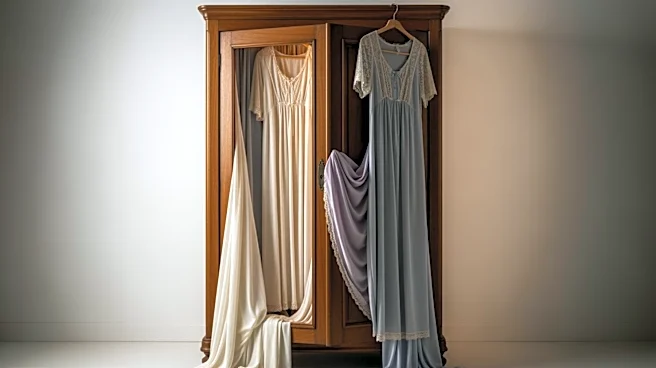
By the late 19th century, nightgowns had become more tailored, with embellishments like lace and embroidery. Despite the introduction of pyjamas, nightgowns remained popular, especially among women. The 1920s saw nightgowns transition from domestic use to fashion statements, with designers like Madeleine Vionnet rejecting corsets and promoting fluidity and comfort.
Modern Nightgowns and Their Legacy
Today, nightgowns are predominantly worn by women and come in various styles, including Victorian nightgowns and babydoll nighties. The influence of nightgowns has extended beyond sleepwear, impacting fashion trends and street style. Designers like Calvin Klein have developed nightgown-style dresses, showcasing their versatility.
Nightgowns continue to be a staple in women's wardrobes, offering comfort and elegance. Their evolution from informal wear to sleepwear reflects broader changes in fashion and cultural attitudes towards clothing. As daywear becomes more relaxed, nightgowns may continue to inspire new styles and trends.