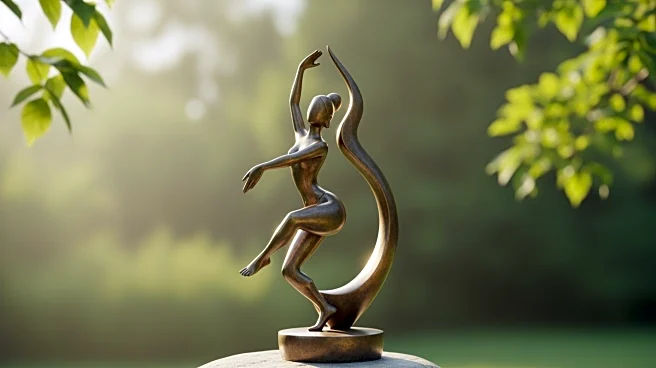




Natarajasana, also known as the Lord of the Dance Pose, is a standing, balancing, back-bending asana in modern yoga. This pose is not only a physical exercise but also carries deep cultural and symbolic meanings. Named after the Hindu god Shiva's dance form, Natarajasana embodies the cosmic dance of creation and destruction. This article explores the cultural significance of Natarajasana and its impact on modern yoga practice.
The Mythological Roots of Natarajasana
Natarajasana is deeply
rooted in Hindu mythology, specifically in the depiction of Shiva as Nataraja, the "Dancing King." In this form, Shiva is portrayed as the cosmic dancer whose movements symbolize the cycle of creation, preservation, and destruction. The pose is derived from classical Indian dance, particularly Bharatnatyam, and is depicted in temple statues, such as those in the Nataraja Temple in Chidambaram. These artistic representations highlight the pose's cultural and spiritual significance, as Shiva's dance is believed to lay the foundation for the universe's creation and sustenance.
The gestures of the dancing Shiva are rich with symbolism. He is often shown with four arms, standing on the demon of ignorance, Avidya. In his hands, Shiva holds a drum, symbolizing the rhythm of time, and a flame, representing knowledge. These elements emphasize the dual nature of creation and destruction inherent in the universe. The pose also includes the Abhayamudra, a gesture of fearlessness, which further underscores the spiritual depth of Natarajasana.
Natarajasana in Modern Yoga Practice
In modern yoga, Natarajasana has been popularized by influential figures such as Krishnamacharya and B.K.S. Iyengar. Iyengar, in particular, adopted the pose as his signature, showcasing its aesthetic and physical challenges. The pose requires concentration, balance, and grace, making it a favorite among practitioners seeking to improve their flexibility and strength.
Natarajasana is often used in advertising to convey qualities like elegance and poise. Its visual appeal and the challenge it presents make it a compelling choice for yoga practitioners and instructors alike. The pose's connection to the divine dance of Shiva adds a layer of spiritual significance, inviting practitioners to explore the deeper meanings behind their practice.
The Broader Impact of Natarajasana
Beyond its physical and spiritual aspects, Natarajasana has influenced the perception of yoga in the modern world. As a pose that embodies both strength and grace, it has become a symbol of the transformative power of yoga. The pose encourages practitioners to find balance in their lives, both on and off the mat.
Natarajasana's cultural and symbolic richness makes it a unique and meaningful addition to any yoga practice. By embracing the pose, practitioners can connect with the ancient traditions of yoga while exploring their own physical and spiritual boundaries. As such, Natarajasana continues to inspire and challenge yoga enthusiasts around the world.