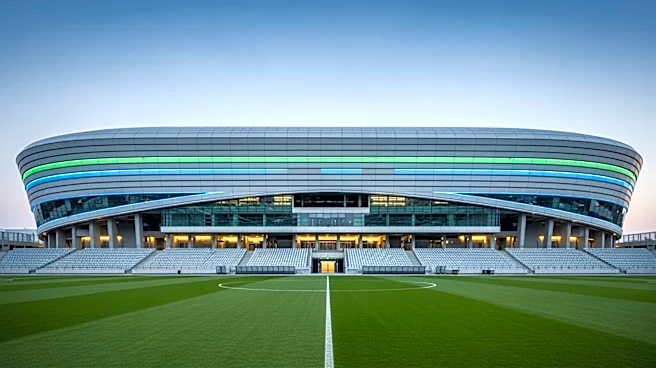

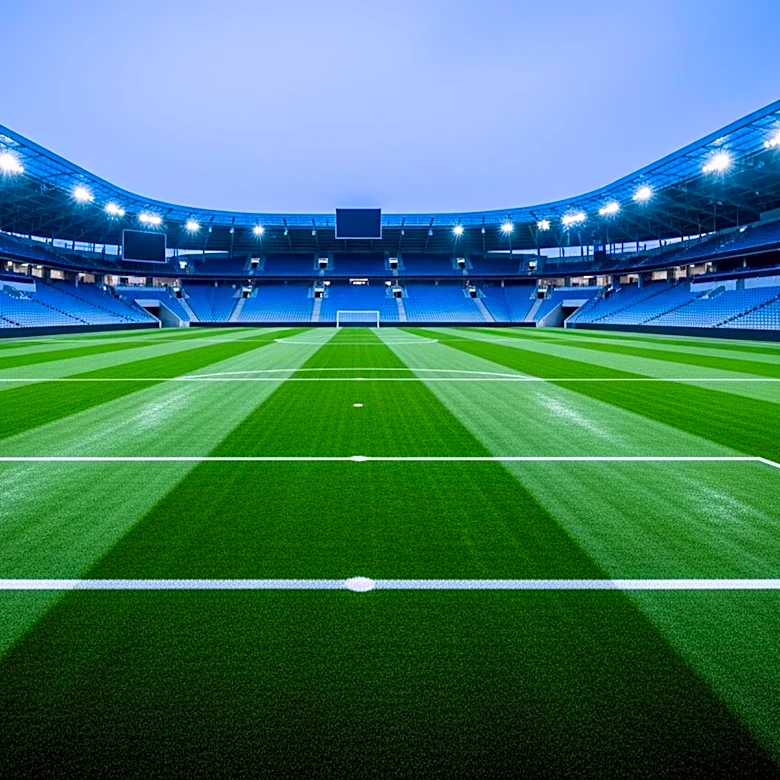
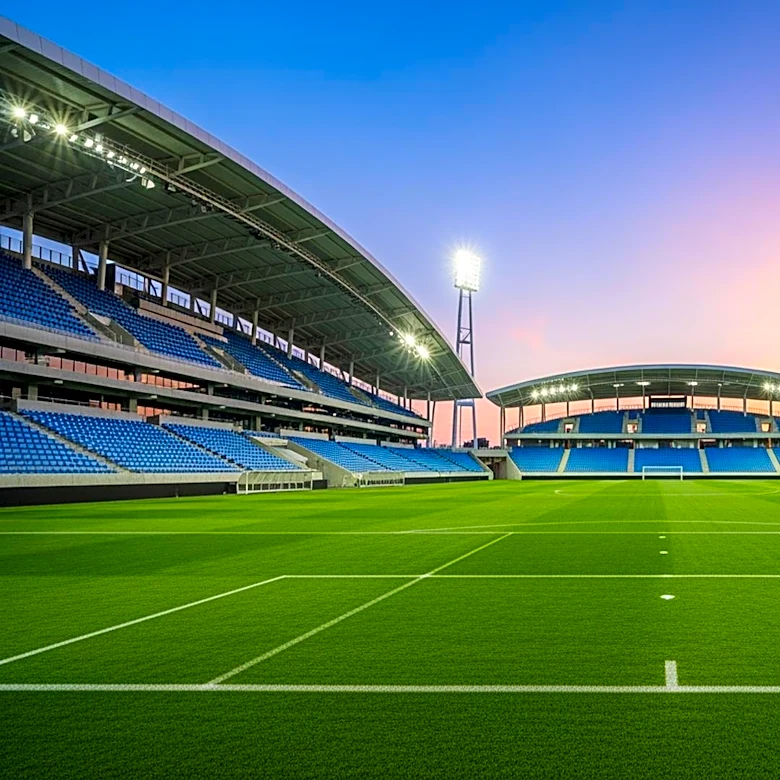



Volgograd Arena stands as a modern architectural marvel in Volgograd, Russia. Built for the 2018 FIFA World Cup, this stadium is not only a sports venue but also a testament to contemporary design and engineering. With a seating capacity of 45,568, the arena was constructed on the site of the former Central Stadium, offering a fresh and innovative space for both local and international events.
Architectural Features
The design of Volgograd Arena is a striking example of modern
architecture. The stadium is shaped like an overturned truncated cone, standing 49.5 meters tall and spanning about 303 meters in diameter. This unique shape was chosen to fit the stadium compactly into the available land near the Volga River. A notable feature of the arena is its large roof, which rests on a cable frame arranged in a “bicycle wheel” pattern. This design not only provides structural support but also adds to the aesthetic appeal of the stadium.
The facade of the stadium is designed to be both functional and visually appealing. The use of steel-wire cables in the roof's construction is a testament to the innovative engineering that went into the stadium's design. The arena is equipped with 42 elevators, 24 of which are adapted for people with disabilities, ensuring accessibility for all visitors.
Construction Process
Construction of the Volgograd Arena began in 2014 and was completed in 2017, just in time for the 2018 FIFA World Cup. The project was managed by Stroytransgaz, the general construction contractor, with the design being the result of a collaboration between PI Arena and GMP Architekten. The construction cost was estimated at 16.3 billion rubles, reflecting the scale and complexity of the project.
During the construction phase, the site presented several challenges. The area was previously undeveloped, with low-value buildings, warehouses, and barracks. Additionally, 300 unexploded bombs were discovered and safely removed from the site, a reminder of the area's historical significance.
Post-World Cup Usage
After the 2018 FIFA World Cup, the Volgograd Arena became the home stadium for FC Rotor Volgograd. The seating capacity was slightly reduced to 43,000 to better suit the needs of the local team and community events. The arena continues to host a variety of sporting events and concerts, maintaining its status as a key venue in Volgograd.
The Volgograd Arena is more than just a sports venue; it is a symbol of modern engineering and design, reflecting the city's commitment to hosting world-class events. Its construction and design have set a new standard for stadiums in Russia and beyond.