





Curbs are a ubiquitous feature in urban landscapes, serving as the boundary between sidewalks and streets. While they are often overlooked, curbs fulfill a variety of functions that are essential to urban planning. From safety and drainage to aesthetics, curbs play a crucial role in shaping the functionality and appearance of city streets. This article explores the diverse functions of curbs and their impact on urban environments.
Safety and Traffic Management
One of the primary
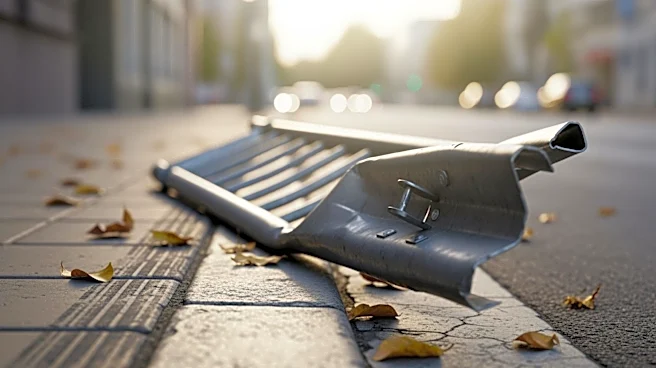
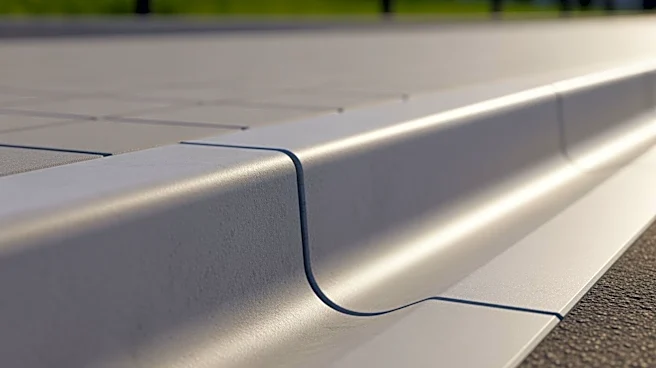
functions of curbs is to enhance safety in urban areas. By delineating the edge of the pavement, curbs separate the road from the roadside, discouraging drivers from parking or driving on sidewalks and lawns. This separation is crucial in preventing accidents and ensuring the safety of pedestrians.
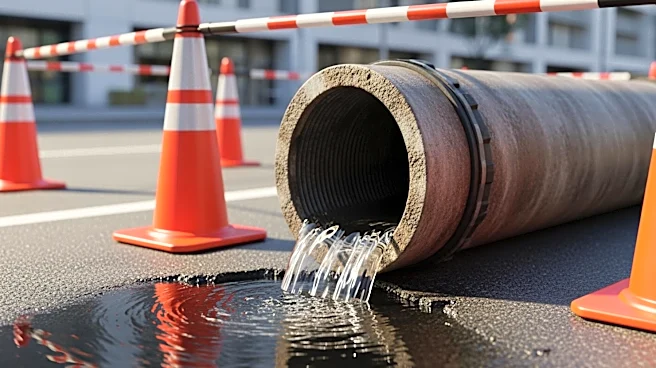
In low-speed environments, curbs are effective at channeling motor vehicle traffic and can provide some redirective capacity for low-speed impacts. However, on higher-speed roads, curbs primarily serve the function of providing drainage. In these areas, curbs are used to channel runoff water from rain or melted snow and ice into storm drains, preventing flooding and maintaining road safety.
Drainage and Environmental Impact
Curbs play a vital role in managing urban water flow, particularly in areas prone to heavy rainfall or snowmelt. By channeling runoff water into storm drains, curbs help prevent flooding and reduce the risk of water damage to road surfaces and adjacent properties. This function is especially important in densely populated urban areas, where effective drainage systems are essential to maintaining infrastructure.
The environmental impact of curbs extends beyond drainage. Curbs can also contribute to the reduction of urban heat islands by providing a barrier between paved surfaces and green spaces. This separation allows for the growth of vegetation, which can help cool the surrounding area and improve air quality.
Aesthetic Appeal and Urban Design
In addition to their functional roles, curbs contribute to the aesthetic appeal of urban environments. Curbs provide a formal and finished look to city streets, enhancing the overall appearance of urban landscapes. This aesthetic aspect is particularly important in areas where city beautification is a priority.
Curbs can also be used to define the character of a neighborhood or district. For example, in certain parts of the world, curbs are distinctively decorated to signify cultural association or identity. In Northern Ireland, curbstones are frequently painted to identify religious or political affiliations, adding a unique visual element to the streetscape.
Overall, curbs are a multifaceted component of urban planning, serving a variety of functions that contribute to the safety, functionality, and appearance of city streets. Through thoughtful design and strategic placement, curbs enhance the quality of urban environments and play a vital role in shaping the character of cities.