



Utopian fiction is a genre rich with diverse themes and variations, each offering unique perspectives on the concept of an ideal society. From ecological utopias to feminist visions, these narratives explore the possibilities of human existence and challenge readers to consider alternative ways of living.
Ecological Utopias
One prominent theme within utopian fiction is the relationship between humanity and nature. Ecological utopias envision societies that live in harmony
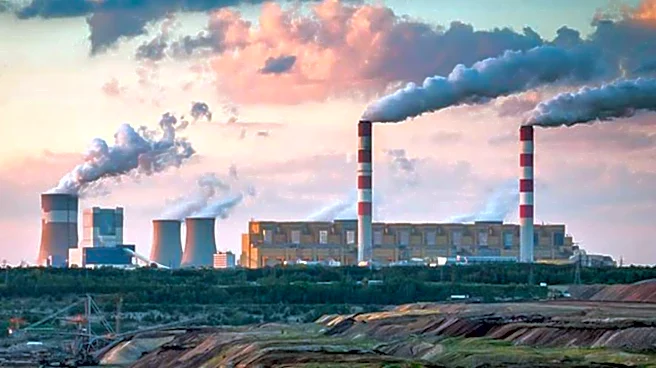
with the environment, emphasizing sustainability and conservation. These narratives often critique industrialization and advocate for a return to simpler, more natural ways of living.
Ernest Callenbach's "Ecotopia" is a classic example of this theme, depicting a society where environmental stewardship is central to daily life. In this imagined world, citizens prioritize renewable energy, organic agriculture, and communal living, creating a sustainable and balanced ecosystem. Such stories inspire readers to consider the impact of their actions on the planet and explore solutions for a more sustainable future.
Feminist Utopias
Feminist utopias offer another variation within the genre, focusing on gender equality and the empowerment of women. These narratives challenge traditional gender roles and envision societies where women have equal opportunities and rights. By exploring themes of reproductive freedom, social justice, and gender dynamics, feminist utopias provide a platform for discussing the complexities of gender relations.
Charlotte Perkins Gilman's "Herland" is a notable example, presenting a society entirely composed of women who live in peace and prosperity. In this world, women are free from patriarchal constraints and have developed advanced technologies and social systems. Such stories encourage readers to reflect on the societal structures that shape gender roles and consider the possibilities of a more equitable world.
Technological and Scientific Utopias
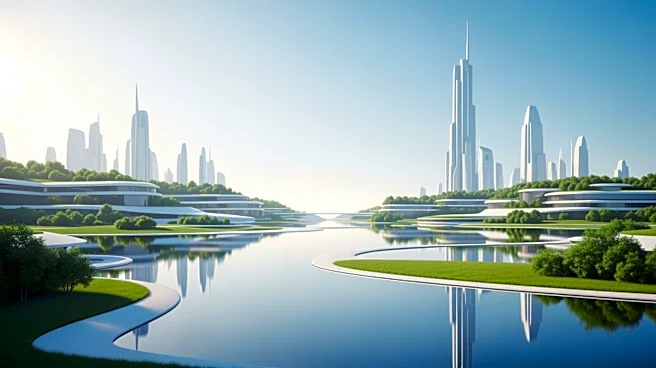
Technological and scientific utopias explore the potential of human innovation and progress, imagining societies transformed by advanced technologies and scientific discoveries. These narratives often depict worlds where technology enhances human life, solving problems and improving living conditions.
H.G. Wells' "A Modern Utopia" is a prime example, envisioning a world state governed by a noble order that uses technology to achieve social harmony and stability. In this society, machines liberate humanity from physical labor, allowing individuals to pursue creative and intellectual endeavors. Such stories highlight the transformative power of technology and its potential to shape the future.
Utopian fiction, with its diverse themes and variations, continues to captivate readers and inspire dialogue about the possibilities of human existence. As the genre evolves, it remains a powerful tool for exploring the complexities of society and envisioning a better world.