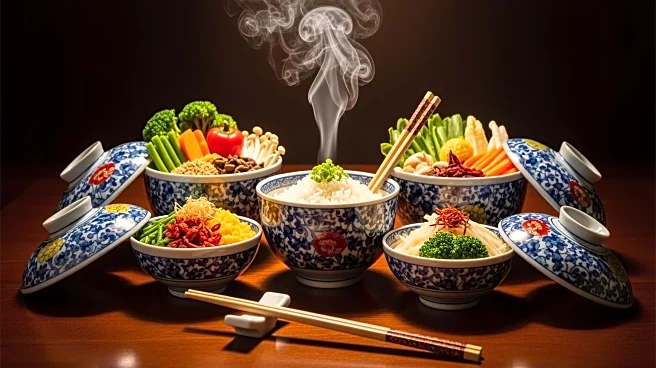







Chinese cuisine has left an indelible mark on the culinary world, influencing food cultures across Asia and beyond. With its diverse flavors, cooking techniques, and adaptability, Chinese cuisine has become a global phenomenon, shaping the way people eat and appreciate food. This article explores the impact of Chinese cuisine on global culinary traditions and its role in the evolution of fusion cuisines.
Spread and Adaptation
The spread of Chinese cuisine around the world
can be attributed to the Chinese diaspora, which brought culinary traditions to new regions and adapted them to local tastes. In Southeast Asia, Chinese cooking techniques have been integrated into local dishes, creating unique fusion cuisines that reflect the region's diverse cultural heritage. For example, Vietnamese hủ tiếu and Filipino pancit canton are noodle dishes that have evolved from traditional Chinese recipes, incorporating local ingredients and flavors.
In the United States, Chinese immigrants adapted their cuisine to suit American palates, resulting in dishes like chop suey and the St. Paul sandwich. These adaptations often involved changes in ingredients and preparation methods, showcasing the flexibility and creativity inherent in Chinese cooking. As a result, Chinese cuisine has become a staple in American dining, with dishes like General Tso's chicken and fortune cookies gaining widespread popularity.
Influence on Other Cuisines
Chinese cuisine's influence extends beyond the creation of fusion dishes, impacting the culinary practices of other cultures. The introduction of Chinese cooking techniques, such as stir-frying and steaming, has enriched the culinary repertoire of many countries, offering new ways to prepare and enjoy food. Ingredients like soy sauce, tofu, and chili oil have become staples in kitchens worldwide, reflecting the global reach of Chinese culinary traditions.
Moreover, the concept of food therapy, where food is used to maintain health and balance, has resonated with cultures around the world, inspiring a greater emphasis on nutrition and wellness in cooking. This holistic approach to food has contributed to the growing popularity of Chinese cuisine as a healthy and flavorful option for diners seeking nutritious meals.
Cultural Exchange and Fusion
The global influence of Chinese cuisine has fostered cultural exchange and the development of fusion cuisines that blend Chinese flavors with local culinary traditions. In Japan, Chinese dishes have been adapted to create Japanese Chinese cuisine, known as chūka ryōri, which incorporates elements of both cultures. Similarly, in India, Chinese cooking techniques have been combined with Indian spices to create Indo-Chinese dishes like Manchurian chicken.
These fusion cuisines reflect the dynamic interplay between tradition and innovation, showcasing the versatility and adaptability of Chinese culinary practices. As a result, Chinese cuisine continues to evolve, inspiring chefs and food enthusiasts to explore new flavors and techniques.
Chinese cuisine's global influence is a testament to its rich cultural heritage and culinary excellence. By embracing diversity and innovation, Chinese cuisine has become a beloved part of the world's culinary landscape, offering a taste of China's vibrant culture to people everywhere.