



Sugar is a ubiquitous ingredient in kitchens and industries worldwide, but not all sugar is created equal. From coarse-grain sugar to granulated sugar, each type has its unique properties and uses. Understanding these varieties can enhance culinary creations and industrial applications alike.
Coarse-Grain Sugar
Coarse-grain sugar, also known as sanding sugar, is composed of reflective crystals with a grain size of about 1 to 3 mm, similar to kitchen salt. This type of sugar is primarily
used atop baked products and candies. Its large crystals do not dissolve when subjected to heat and moisture, making it ideal for decorative purposes. Bakers often use coarse-grain sugar to add a sparkling finish to cookies and pastries, enhancing both visual appeal and texture.
In addition to its decorative uses, coarse-grain sugar can be found in various confectionery items. Its ability to withstand heat without dissolving makes it a preferred choice for candies that require a crunchy texture. This sugar variety is a staple in the confectionery industry, where aesthetics and texture play crucial roles in product appeal.
Granulated Sugar
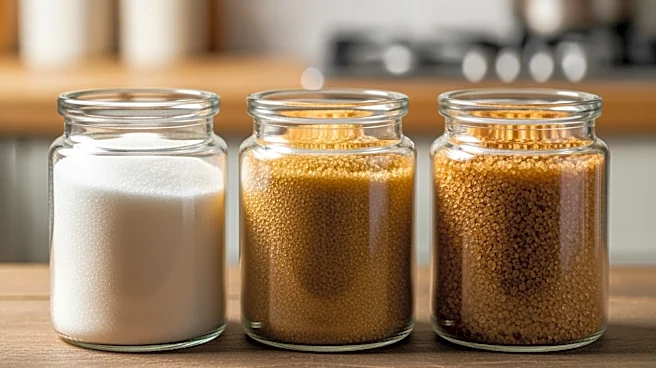
Granulated sugar, commonly known as table sugar or regular sugar, is a staple in households and food industries. With crystals about 0.6 mm in size, it is versatile and used for sweetening beverages like coffee and tea, as well as in home baking to add sweetness and texture to cookies, cakes, and desserts like pudding and ice cream. Its fine texture allows it to dissolve quickly, making it ideal for recipes that require a smooth consistency.
Beyond its culinary uses, granulated sugar serves as a preservative. It prevents microorganisms from growing and spoiling perishable foods, such as candied fruits, jams, and marmalades. This preservative quality is essential in extending the shelf life of various food products, making granulated sugar a valuable ingredient in food preservation.
Milled and Screened Sugars
Milled sugars, such as powdered sugar, are ground to a fine powder and are used for dusting foods and in baking and confectionery. Powdered sugar is essential for creating smooth icings and frostings, as its fine texture blends seamlessly with other ingredients. It is also used to dust pastries and desserts, adding a touch of sweetness and elegance.
Screened sugars, like caster sugar, are crystalline products separated according to the size of the grains. These sugars are used for decorative table sugars, blending in dry mixes, and in baking and confectionery. Caster sugar, with its fine grains, dissolves quickly, making it ideal for meringues and cold liquids. Its versatility in baking and cooking highlights the importance of understanding sugar varieties to achieve desired culinary results.