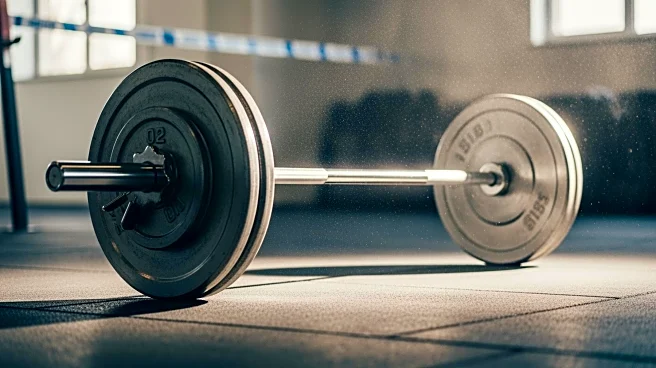



The clean and jerk is a fundamental movement in weightlifting, combining two distinct phases: the clean and the jerk. This lift is a staple in Olympic weightlifting competitions and is known for its complexity and the strength it requires. Understanding the technique and various styles of the clean and jerk can enhance performance and safety for lifters at all levels.
Understanding the Clean
The clean is the first phase of the clean and jerk, where the lifter moves the barbell
from the floor to a racked position across the deltoids. This movement requires precision and power, as the barbell must be lifted without resting fully on the clavicles. The clean typically involves a squat clean, where the lifter starts similarly to a deadlift, then fully extends and shrugs to pull the bar upward. As the bar rises, the lifter drops into a squat, catching the bar between the shoulders and clavicles with elbows up, before standing up with the bar.
Variants of the clean include the hang clean, which starts with the barbell off the ground, relying on a powerful hip extension and pull. The split clean, where the legs are split during the lift, is less common today but useful for those with limited flexibility. The continental clean, often used in strongman training, allows the bar to be lifted by any method as long as it doesn't touch the ground.
Mastering the Jerk
The jerk is the second phase, where the lifter raises the barbell from the shoulders to a stationary position above the head. Starting from the front rack position, the jerk begins with a dip-drive phase, where the lifter bends the knees slightly before explosively driving the barbell upward. Once the barbell passes the head, the lifter dips underneath to catch it in a stable receiving position.
The most common style is the split jerk, where the lifter splits the legs to catch the bar overhead. Other styles include the power jerk, where the bar is caught in a partial squat, and the squat jerk, which requires catching the bar in a full squat position. Each style demands different levels of shoulder stability and flexibility.
Variants and Their Benefits
Exploring the different variants of the clean and jerk can offer lifters various benefits. The power clean, for instance, requires catching the bar at or above half squat height, developing a strong pull. The muscle clean, relying solely on upper body strength, is challenging but effective for building upper body power.
Single-arm clean and jerks, using a dumbbell or kettlebell, can enhance core strength and address muscle imbalances. By alternating arms, lifters ensure balanced strength development, reducing the risk of injury and improving overall performance.