



The 2020 IMSA Prototype Challenge was a season marked by adaptation and resilience. As the fifteenth season of the IMSA Lites series and the fourth under the IMSA Prototype Challenge name, it faced unprecedented challenges due to the COVID-19 pandemic. This article delves into the unique aspects of the 2020 season, highlighting how the series adapted to the changing circumstances.
Navigating a Revised Calendar
The 2020 season kicked off on January 4 at the Daytona International
Speedway, setting the stage for what was expected to be a thrilling year of racing. However, the onset of the COVID-19 pandemic necessitated significant changes to the original schedule. A revised calendar was released in May 2020, reflecting the need to adapt to the evolving situation.
Despite these challenges, the series managed to maintain its competitive spirit. The season concluded on October 9 at Road Atlanta, with teams and drivers demonstrating remarkable adaptability. The ability to navigate these changes showcased the resilience of the IMSA Prototype Challenge and its commitment to providing a platform for competitive racing.
Overcoming Qualifying Challenges
The 2020 season also saw unique challenges in the qualifying rounds. For instance, qualifying for the Sebring Round was canceled due to heavy rain, leading to the grid being set according to the rulebook. Similarly, the Virginia Round faced disruptions after a major crash in practice for the Michelin Pilot Challenge, resulting in the cancellation of qualifying.
These incidents highlighted the unpredictable nature of motorsport and the importance of flexibility. Teams had to rely on their strategic acumen to navigate these challenges, emphasizing the role of teamwork and preparation in achieving success.
The Role of LMP3 Prototypes
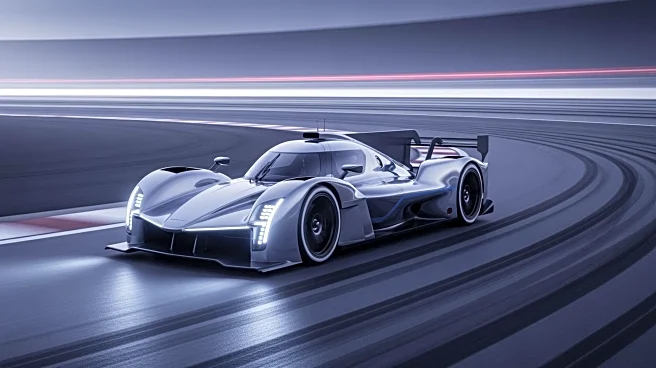
Throughout the 2020 season, the IMSA Prototype Challenge continued to feature the LMP3 class prototypes, powered by the Nissan VK50VE 5.0L V8 engine. This focus on a single class of prototypes ensured a level playing field, allowing teams to compete on equal terms.
The use of LMP3 prototypes also underscored the series' commitment to providing a competitive and exciting racing environment. These vehicles, known for their speed and agility, played a crucial role in maintaining the series' appeal to both drivers and fans.
In conclusion, the 2020 IMSA Prototype Challenge was a testament to the resilience and adaptability of the motorsport community. Despite the challenges posed by the pandemic, the series continued to deliver thrilling racing action, leaving a lasting impact on the world of endurance racing.