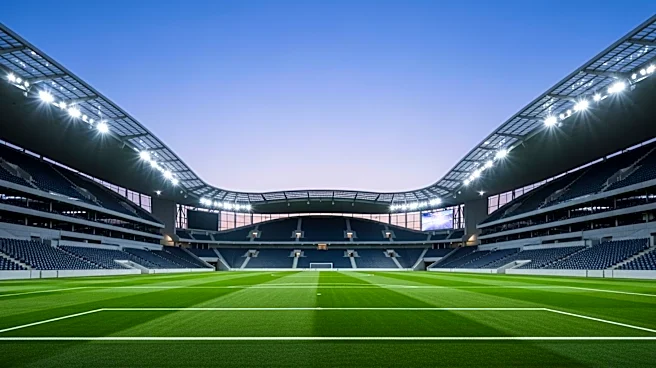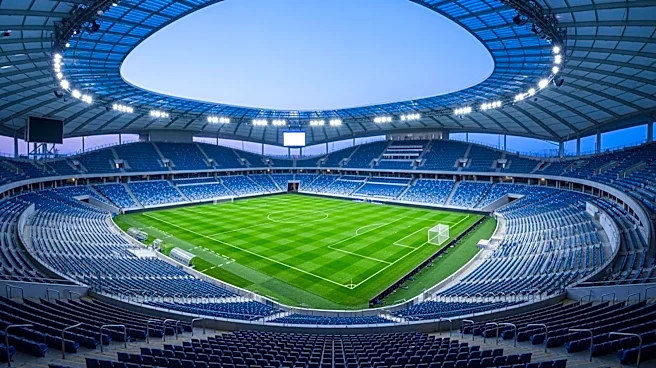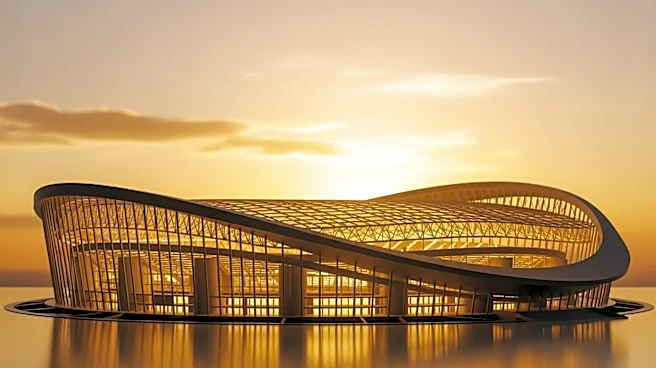



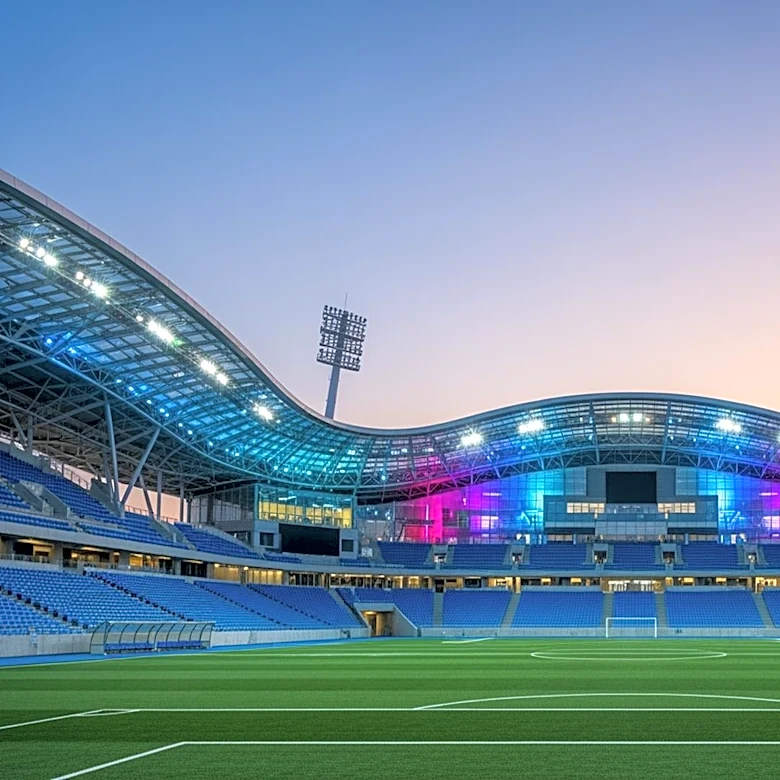

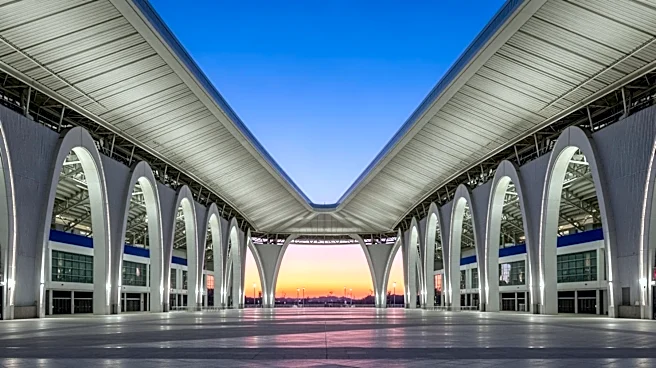
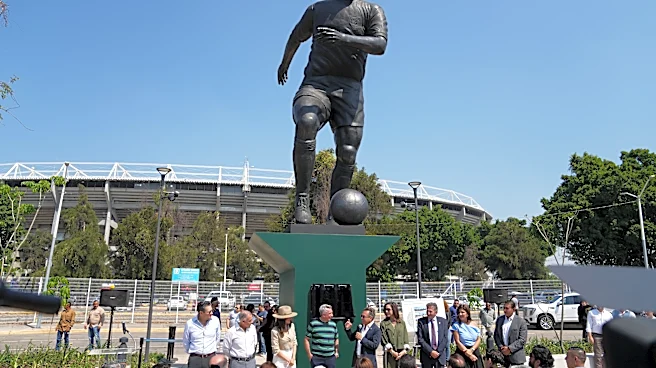

Castelão Stadium, located in Fortaleza, Ceará, Brazil, is a significant landmark in the world of football. Inaugurated in 1973, it has been a central hub for sports and cultural events in the region. Named after Plácido Castelo, a former governor of Ceará, the stadium has witnessed numerous transformations and milestones over the years, reflecting the dynamic history of Brazilian football and the local community.
Inception and Early Years
Castelão Stadium was inaugurated in 1973,
marking a new era for sports in Ceará. The stadium was named after Plácido Castelo, who served as the governor of Ceará and played a pivotal role in its development. Initially, the stadium had a modest capacity, but it quickly became a popular venue for football matches, hosting local teams such as Ceará Sporting Club and Fortaleza Esporte Clube. These clubs have been integral to the stadium's identity, drawing large crowds and fostering a passionate fan base.
The early years of Castelão were characterized by a growing enthusiasm for football in the region. The stadium provided a platform for local talent to showcase their skills, contributing to the development of the sport in Ceará. As the popularity of football grew, so did the demand for larger and more modern facilities, prompting several renovations and expansions over the decades.
Renovations and Modernization
Over the years, Castelão Stadium underwent significant renovations to accommodate the increasing number of spectators and to meet international standards. These upgrades included expanding the seating capacity to 57,867, making it one of the largest stadiums in Brazil. The modernization efforts were not only focused on increasing capacity but also on improving the overall experience for fans, with enhanced facilities and amenities.
The renovations were part of a broader initiative to position Fortaleza as a key player in hosting major sporting events. Castelão's transformation was crucial in securing its role as a venue for the 2014 FIFA World Cup, where it hosted several matches, including those featuring the Brazilian national team. This global exposure further cemented the stadium's reputation as a premier sports venue.
Cultural and Social Impact
Beyond its role in sports, Castelão Stadium has had a profound impact on the cultural and social landscape of Ceará. It serves as a gathering place for the community, hosting concerts, festivals, and other events that bring people together. The stadium is a symbol of pride for the residents of Fortaleza, representing their passion for football and their commitment to celebrating local culture.
The stadium's influence extends beyond the field, contributing to the local economy through tourism and employment opportunities. It has become a landmark in Fortaleza, attracting visitors from around the world who come to experience the vibrant atmosphere and rich history associated with Brazilian football.