



Braking systems are a fundamental aspect of vehicle safety and performance. Over the years, these systems have evolved significantly, from simple mechanical setups to complex, electronically controlled systems. This article explores the historical development of braking systems in automobiles, highlighting key innovations and their impact on vehicle design and safety.
Early Braking Systems
The earliest automobiles were equipped with rudimentary braking systems, often consisting
of wooden blocks that pressed against the wheels to slow the vehicle. These systems were simple but effective for the low speeds of early cars. However, as vehicles became faster and heavier, the need for more efficient braking systems became apparent.
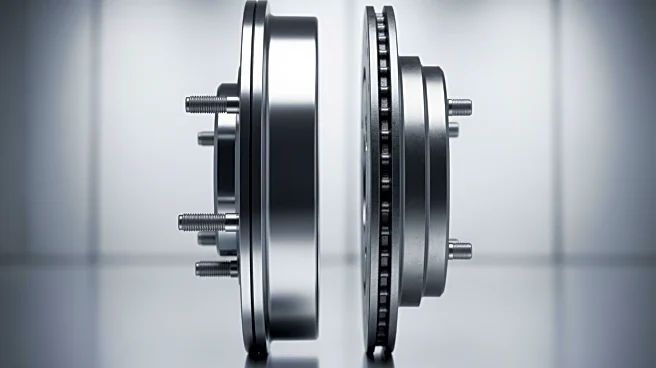
In the early 20th century, drum brakes were introduced. These systems used a set of brake shoes that pressed against the inside of a rotating drum attached to the wheel. Drum brakes provided more stopping power and were a significant improvement over previous designs. They became the standard for many years, used in both front and rear wheels of vehicles.
The Introduction of Disc Brakes
As automotive technology advanced, the limitations of drum brakes became evident, particularly their tendency to overheat and fade during prolonged use. This led to the development of disc brakes, which offered better heat dissipation and more consistent performance.
Disc brakes use a caliper to squeeze brake pads against a disc or rotor attached to the wheel. This design allows for more efficient braking, especially at high speeds. Disc brakes were first used in racing cars and high-performance vehicles before becoming standard in most passenger cars by the late 20th century.
Modern Braking Innovations
Today, braking systems have become even more sophisticated with the introduction of electronic controls. Anti-lock braking systems (ABS) prevent the wheels from locking up during hard braking, maintaining traction and allowing the driver to steer. This technology has significantly improved vehicle safety, reducing the risk of skidding and accidents.
In addition to ABS, modern vehicles often feature electronic brake-force distribution (EBD) and brake assist systems. These technologies optimize braking performance by adjusting the brake force applied to each wheel based on load and road conditions. Such advancements have made braking systems more reliable and efficient, contributing to overall vehicle safety.
In conclusion, the evolution of braking systems in automobiles reflects the industry's ongoing commitment to safety and performance. From simple mechanical setups to advanced electronic systems, each innovation has played a crucial role in enhancing the driving experience and protecting passengers. As technology continues to advance, we can expect further improvements in braking systems, ensuring even greater safety and efficiency on the road.