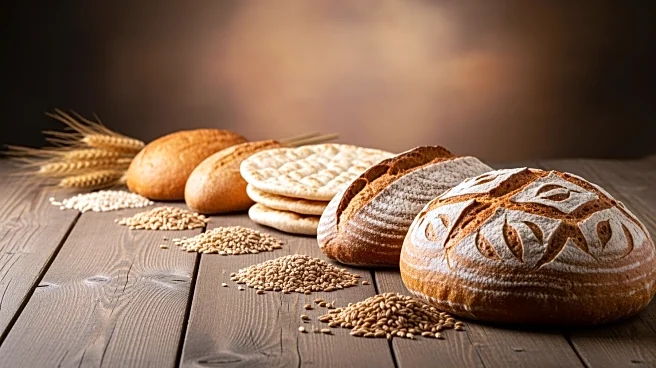




Bread is one of the oldest prepared foods, with a history that stretches back thousands of years. Its evolution from simple flatbreads to the diverse array of loaves we see today reflects changes in agriculture, technology, and society. This article explores the historical development of bread, highlighting key milestones and innovations that have shaped its journey.
Ancient Beginnings
The origins of bread can be traced back to the Neolithic era, around 10,000 BC, when
humans first began cultivating grains. Early bread was likely a simple mixture of water and ground grains, cooked on hot stones. Evidence of bread-making has been found at a 14,500-year-old site in Jordan, where starch residues suggest the use of wild wheat and barley.
As agriculture spread, so did the practice of bread-making. In ancient Egypt, bread was a staple food, and the Egyptians are credited with developing leavened bread. They discovered that allowing dough to ferment naturally with wild yeast produced a lighter, more palatable loaf. This innovation laid the foundation for the leavened breads we enjoy today.
Medieval and Renaissance Developments
During the Middle Ages, bread became a central part of the European diet. Different regions developed their own styles, influenced by local grains and baking techniques. Rye bread was common in northern Europe, while wheat bread was favored in the south. The Assize of Bread and Ale in 13th-century England regulated the price and quality of bread, underscoring its importance in society.
The Renaissance brought further advancements in bread-making. The introduction of refined white flour led to lighter, more delicate breads, which became a status symbol among the wealthy. This period also saw the rise of professional bakers and the establishment of bakeries, making bread more accessible to urban populations.
Industrialization and Modern Bread
The industrial revolution transformed bread production. In the 19th century, the invention of the roller mill allowed for the mass production of white flour, making it more affordable. The development of commercial yeast in the late 1800s further streamlined the baking process, enabling consistent and rapid production.
The 20th century saw the introduction of sliced bread, thanks to Otto Frederick Rohwedder's bread-slicing machine in 1928. This innovation revolutionized the way bread was consumed, making it more convenient for households. However, the rise of industrial bread-making also led to concerns about nutrition and quality, prompting a resurgence of interest in artisanal and whole-grain breads.
In conclusion, the history of bread is a testament to human ingenuity and adaptability. From its humble beginnings as a simple flatbread to its modern industrial forms, bread has evolved alongside human civilization, reflecting changes in technology, culture, and dietary preferences.