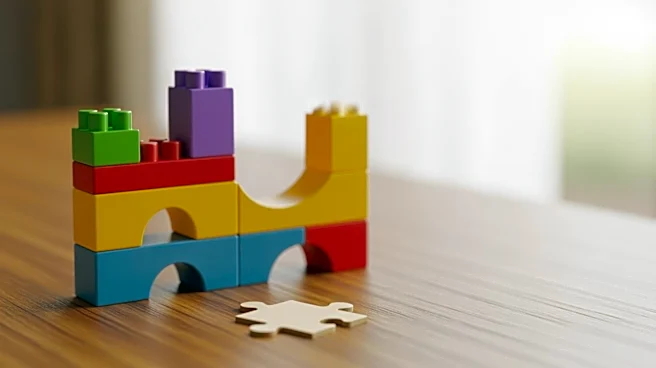









Play is a fundamental aspect of learning, particularly in early childhood development. It provides a natural and engaging way for children to explore their environment, develop social skills, and acquire new knowledge. This article delves into the role of play in learning, highlighting its significance in cognitive and social development and its impact on educational practices.
Play as a Learning Tool
Play is often seen as a child's work, a vital activity through which they
learn about the world around them. It allows children to experiment, take risks, and solve problems in a safe and supportive environment. Through play, children develop critical thinking skills and learn to navigate social interactions, laying the foundation for future learning.
Theorists like Lev Vygotsky have emphasized the importance of play in cognitive development. Vygotsky argued that play is crucial for children's development, as it enables them to make sense of their environment and understand rules and symbols. This perspective highlights the role of play in language acquisition and communication, as children learn to express themselves and interpret the actions of others.
Types of Play and Their Benefits
There are various types of play, each contributing to different aspects of learning and development. Sensorimotor play, for example, involves repetitive activities that help children develop motor skills and coordination. Roleplay allows children to explore different identities and perspectives, fostering empathy and social understanding.
Rule-based play introduces children to structured activities with specific guidelines, promoting problem-solving and critical thinking. Construction play encourages creativity and experimentation, as children build and create using different materials. Each type of play offers unique opportunities for learning, supporting the development of cognitive, social, and emotional skills.
Play in Educational Settings
Recognizing the importance of play in learning, many educational settings incorporate play-based approaches into their curricula. These approaches emphasize hands-on, experiential learning, allowing children to explore concepts through play. By integrating play into the classroom, educators can create engaging and meaningful learning experiences that cater to diverse learning styles.
Play-based learning also supports the development of a positive attitude towards learning, as children associate education with enjoyment and discovery. This approach fosters intrinsic motivation, encouraging children to take an active role in their learning journey. As research continues to highlight the benefits of play, its role in education remains a critical component of effective teaching and learning strategies.