


Tourism plays a significant role in the economy of the Netherlands, contributing to both the country's GDP and employment rates. While the sector may not be the largest in the Dutch economy, its influence is notable, especially in certain regions and cities. This article delves into the economic contributions of tourism in the Netherlands, highlighting key statistics and trends.
Contribution to GDP and Employment
Tourism in the Netherlands accounts for 5.4% of the country's gross domestic
product (GDP). This figure underscores the sector's importance, even though it is not the largest contributor to the national economy. The tourism industry also supports 9.6% of employment in the Netherlands, providing jobs to a significant portion of the population. These jobs range from those in hospitality and transportation to roles in cultural and recreational services.
The economic impact of tourism is not evenly distributed across the country. Major cities like Amsterdam, with its rich cultural heritage and numerous attractions, draw a large number of visitors, thereby boosting local economies. The influx of tourists supports a wide range of businesses, from hotels and restaurants to museums and shops, creating a ripple effect that benefits various sectors.
Amsterdam: A Major Tourist Hub
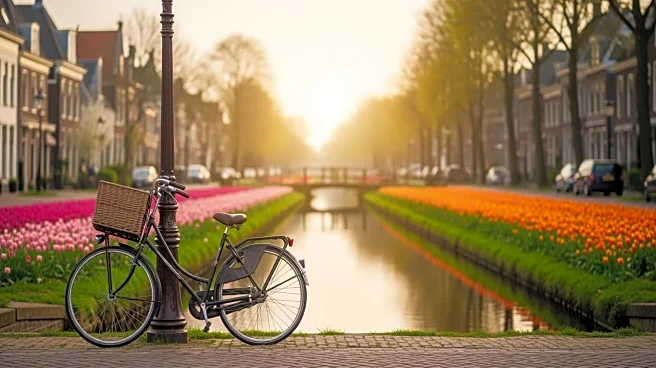
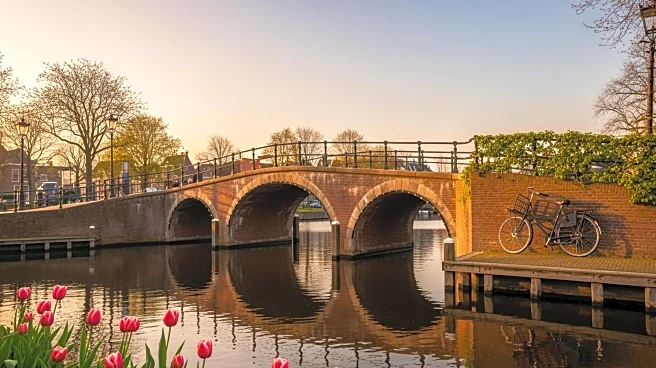
Amsterdam stands out as a major tourist destination within the Netherlands. The city is renowned for its historic canals, museums, and vibrant cultural scene, attracting millions of visitors each year. This influx of tourists significantly contributes to Amsterdam's economy, making it one of the most visited cities in the world.
The tourism sector in Amsterdam supports a diverse range of businesses. Hotels, restaurants, and cafes thrive due to the constant flow of visitors. Additionally, cultural institutions such as the Rijksmuseum and the Van Gogh Museum benefit from increased foot traffic, which in turn supports the preservation and promotion of Dutch art and history.
Challenges and Opportunities
While tourism brings economic benefits, it also presents challenges. The high volume of visitors can strain local infrastructure and resources, leading to concerns about sustainability and quality of life for residents. Amsterdam, in particular, has faced issues related to overcrowding and the impact of tourism on housing and public spaces.
To address these challenges, the Netherlands has been exploring ways to promote sustainable tourism. This includes initiatives to spread tourist activity more evenly across the country, reducing pressure on popular destinations like Amsterdam. By encouraging visitors to explore lesser-known regions, the Netherlands aims to balance economic benefits with the preservation of its cultural and natural heritage.
In conclusion, tourism is a vital component of the Dutch economy, contributing significantly to GDP and employment. While it brings challenges, particularly in terms of sustainability, the sector also offers opportunities for growth and development across the country.