


The 2022–23 ABB FIA Formula E World Championship marked a significant chapter in the evolution of electric car racing. As the ninth season of the championship, it introduced new regulations and technological advancements that set the stage for future competitions. This season was notable for the debut of the third generation of championship regulations, which brought about changes in car design and race format, enhancing the competitive landscape
of Formula E.
Technological Advancements
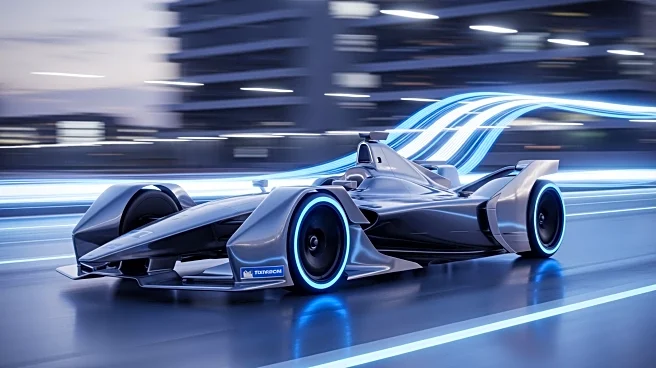
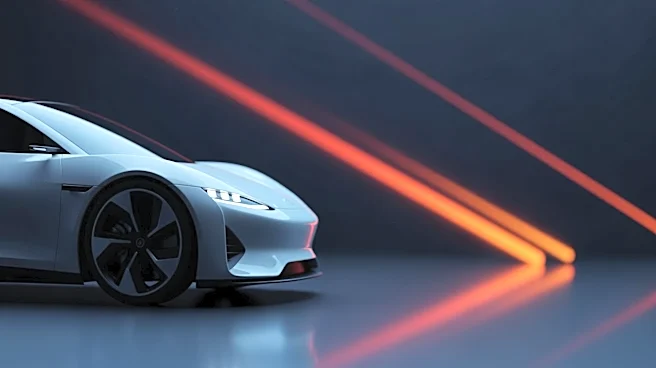
One of the most significant changes in the 2022–23 season was the introduction of the Gen3 car. This new model was the smallest and lightest car ever used in the championship, with a weight reduction of 60 kg. The Gen3 car featured two powertrains, with an additional one on the front axle, increasing the maximum power output from 250 kW to 600 kW. This increase in power, combined with the reduced weight, allowed the cars to reach speeds of over 320 km/h. The enhanced regenerative capability, which increased from 25% to 40%, eliminated the need for hydraulic rear brakes, showcasing the technological strides made in electric vehicle racing.
The switch from Michelin to Hankook as the tire supplier also played a crucial role in the season's dynamics. The new tires were designed to complement the Gen3 car's performance, ensuring that the vehicles could handle the increased power and speed effectively. These technological advancements not only improved the performance of the cars but also highlighted the ongoing innovation within the Formula E series.
Changes in Race Format
The 2022–23 season also saw changes in the race format, moving away from races run to a fixed time to a set number of laps. This adjustment meant that safety cars and full course cautions could increase the number of laps needed to finish the race, adding a new strategic element for teams and drivers. The discontinuation of Fanboost, a feature that allowed fans to vote for their favorite drivers to receive an extra power boost, marked another shift in the race dynamics.
Plans to introduce fast recharging under an "attack charge" format were also part of the season's innovations, although these did not materialize. The idea was to require drivers to pit for a recharge during the race, with those who did so receiving additional attack mode activation periods. While this concept was not implemented, it indicated the direction Formula E is heading towards in terms of integrating new technologies into the race format.
Impact on Teams and Drivers
The technological and format changes had a significant impact on the teams and drivers. Envision Racing emerged as the new Teams' Champions, taking over from the previous champions, Mercedes-EQ Formula E Team, who did not return to defend their title. Jake Dennis, driving for Avalanche Andretti Formula E, won his first-ever World Championship, showcasing the competitive nature of the season.
The advancements in car technology and changes in race format required teams to adapt their strategies and operations. The increased power and speed of the Gen3 cars demanded more from the drivers, pushing them to refine their skills and adapt to the new dynamics of the race. This season highlighted the resilience and adaptability of the teams and drivers, setting a new standard for future competitions in the Formula E World Championship.