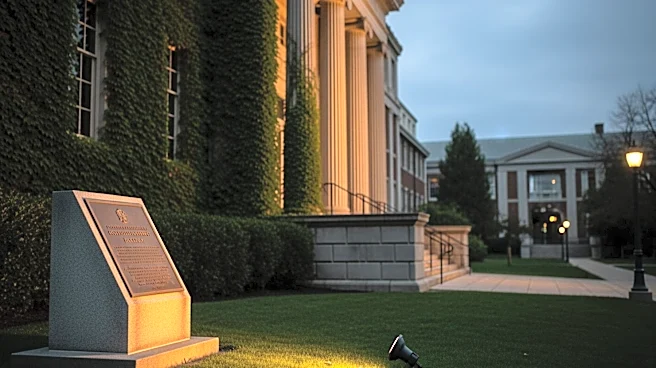




Lincoln University in Pennsylvania has played a pivotal role in shaping the landscape of higher education for African Americans. As the first college-degree-granting historically Black university in the United States, it has been a trailblazer in providing educational opportunities to a community historically marginalized and underserved. This article explores the university's contributions to African American education and its lasting impact.
Pioneering Educational Opportunities
Founded
in 1854 as Ashmun Institute, Lincoln University was established to address the lack of higher education opportunities for African Americans. John Miller Dickey and Sarah Emlen Cresson envisioned a place where African American men could receive both academic and religious training, preparing them for leadership roles. The institute's early focus on education and social reform set the stage for its future as a leading institution for African American students.
Throughout its history, Lincoln University has been committed to academic excellence and empowerment. From its inception, the university attracted talented students who would go on to make significant contributions in various fields. The institution's emphasis on education as a tool for social change has been a guiding principle, influencing generations of African American leaders.
Contributions to Professional Fields
Lincoln University's impact extends beyond academia into professional fields. Between 1854 and 1954, the university's graduates accounted for 20% of African American physicians and over 10% of African American lawyers in the United States. This remarkable achievement highlights the university's role in preparing African Americans for careers that were critical to community development and advocacy.
The university's alumni have made significant strides in public service, arts, and sciences, furthering the cause of equality and justice. Notable figures such as Thurgood Marshall, Langston Hughes, and Kwame Nkrumah are among the distinguished alumni who have left an indelible mark on history. Their achievements underscore Lincoln University's influence in nurturing talent and fostering leadership.
Continuing Legacy of Empowerment
Today, Lincoln University continues to uphold its legacy of empowerment and opportunity. As a member-school of the Thurgood Marshall College Fund, the university remains dedicated to supporting African American students and promoting diversity. Its commitment to inclusivity is evident in its diverse student body, which includes individuals from various racial and national backgrounds.
Lincoln University's impact on African American education is profound and enduring. By providing access to higher education and fostering a culture of excellence, the university has empowered countless individuals to pursue their dreams and contribute to society. As it moves forward, Lincoln University remains a beacon of hope and progress, championing the cause of education for all.