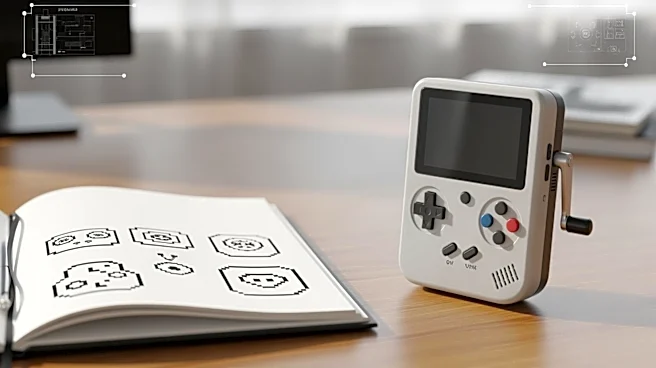







The Playdate console, developed by Panic Inc., offers a unique approach to game distribution and development, setting it apart from other handheld gaming devices. With its innovative game delivery system and accessible development tools, the Playdate provides both players and developers with exciting opportunities. This article explores the console's game distribution model and the development tools available for creating games on the Playdate.
Season-Based Game Distribution
One
of the most distinctive features of the Playdate is its season-based game distribution model. Upon purchasing the console, users receive Season One, a collection of 24 games. These games are delivered to the console in batches of two per week, automatically downloading onto the device. This model keeps players engaged with a steady stream of new content, and the price of Season One is included in the console's purchase price.
The order of game releases within the season is unknown until they are downloaded, adding an element of surprise and anticipation for players. This approach not only provides a curated gaming experience but also encourages players to explore a variety of game genres and styles. Panic Inc. announced that Season Two would be released in 2025, followed by Season Three in 2026, continuing the tradition of delivering fresh content to Playdate users.
Development Tools and Community Engagement
The Playdate console supports game development through an openly available proprietary software development kit (SDK). This SDK includes a simulator and debugger, allowing developers to create games using C and Lua programming languages. The SDK is compatible with macOS, Windows, and Linux, making it accessible to a wide range of developers.
For those interested in simpler game creation, Panic Inc. offers Pulp, a more approachable game development tool. Pulp allows developers to create tile-based games, providing a visual and user-friendly interface for game design. The Playdate is an open system, enabling sideloading of additional games that are not part of a season, fostering a community of indie developers and encouraging creativity.
Indie Game Development and Diversity
Panic Inc. has expressed interest in games created by underrepresented developers, including women and LGBTQ creators. The first season of Playdate games included contributions from indie developers such as Keita Takahashi, Zach Gage, Bennett Foddy, Lucas Pope, Shaun Inman, and Chuck Jordan. This focus on diversity and inclusion enriches the Playdate's game library, offering players a wide range of perspectives and experiences.
The Playdate's game distribution model and development tools reflect a commitment to innovation and community engagement. By providing a platform for diverse voices and creative game design, the Playdate console offers a unique and dynamic gaming experience.