

Pedestrian safety is a pressing concern, with a significant number of fatalities occurring each year due to road vehicle accidents. While urban planning plays a crucial role, vehicle design is another critical factor in enhancing pedestrian safety. This article explores how innovations in vehicle design can reduce the risk of pedestrian injuries and fatalities.
The Evolution of Vehicle Design
Historically, efforts to improve pedestrian safety focused on education and traffic regulation.
However, since the 1970s, crash engineers have applied design principles that protect car occupants to develop vehicle concepts that also safeguard pedestrians. These innovations aim to reduce the likelihood of injuries in car-pedestrian crashes or prevent such crashes altogether.
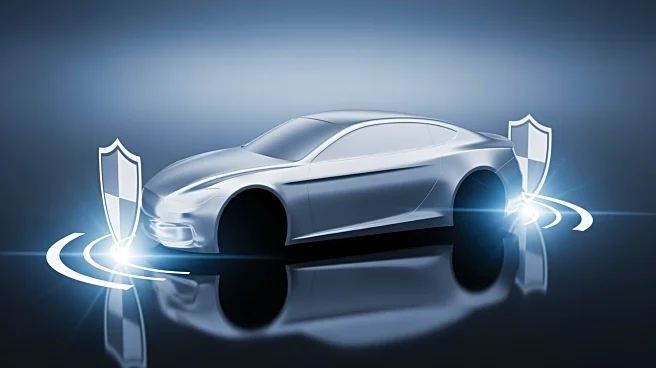
Key design changes include making bumpers, hoods, windshields, and pillars energy-absorbing without compromising the car's structural integrity. These softer designs help minimize the impact on pedestrians in the event of a collision. Additionally, the advent of Automated Advanced Driver Assist Systems (ADAS) since 2005 has introduced active protection systems, such as pedestrian detection and crash avoidance technologies.
Anatomy of a Pedestrian Crash
Understanding the sequence of events in a car-pedestrian crash is essential for improving vehicle design. Typically, a pedestrian is struck by a forward-moving car, accelerated to the car's speed, and then impacted twice—first by the car and then by the ground. Most fatal injuries occur due to interaction with the car, particularly when the vehicle bumper contacts the pedestrian's lower limbs, and the hood hits the upper thigh or pelvis.
To mitigate these injuries, vehicle designers focus on reducing the peak contact forces by making bumpers softer and increasing the contact area. Lower bumpers can help the thigh and leg rotate together, reducing knee bending and the likelihood of ligament injuries. These design modifications are crucial in minimizing the severity of pedestrian injuries.
Future Directions in Vehicle Design
Innovations in vehicle design continue to evolve, with new technologies offering promising solutions for pedestrian safety. For instance, some car models now feature 'dooring' technology to prevent car doors from opening onto oncoming cyclists. Additionally, pedestrian airbags and pop-up hoods provide extra clearance over the engine block, reducing the risk of head injuries.
As pedestrian injuries and fatalities rise, particularly in the U.S., due to larger cars and distracted driving, the adoption of pedestrian safety driver support systems is becoming increasingly important. These advancements highlight the potential of vehicle design to significantly enhance pedestrian safety and reduce the number of road fatalities.