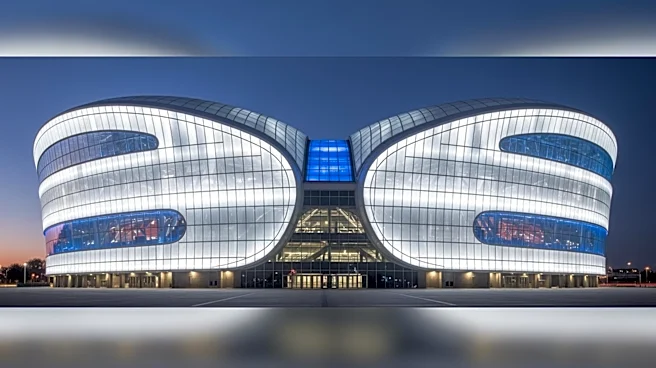




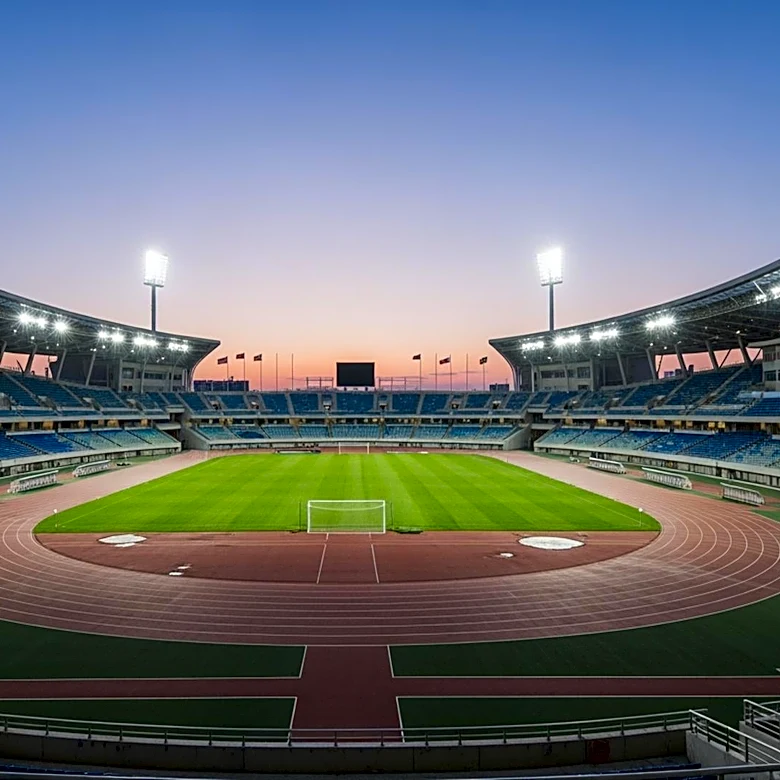



The Allianz Arena in Munich, Germany, stands as a testament to modern architectural innovation. Known for its distinctive exterior and state-of-the-art design, the stadium is a landmark in the world of sports architecture. This article delves into the architectural features that make Allianz Arena a marvel, from its unique facade to its cutting-edge construction techniques.
Innovative Design Features
The Allianz Arena is renowned for its exterior, which is made up of 2,760 ETFE-foil
air panels. These panels are not only visually striking but also functional, as they are inflated with dry air to maintain a differential pressure. This design choice allows the stadium to change colors, lighting up in red for Bayern Munich, blue for TSV 1860 Munich, and white for the German national team. The facade's ability to change colors is not just for aesthetics; it also serves as a visual representation of the home team, creating a dynamic and engaging atmosphere for fans.
The stadium's design was conceived by the Swiss architectural firm Herzog & de Meuron. Their vision was to create a structure that was both functional and iconic. The stadium's roof features built-in roller blinds that can be adjusted to provide shade and protection from the sun, enhancing the comfort of spectators. This attention to detail in design ensures that the Allianz Arena is not only a visual spectacle but also a comfortable venue for watching sports.
Construction and Capacity
Construction of the Allianz Arena began in October 2002 and was completed by April 2005. The stadium was designed to accommodate a large number of spectators, with a seating capacity of 70,000 for international matches and 75,000 for domestic games. The seating is divided into three tiers, with the lower tier seating up to 20,000, the middle tier 24,000, and the upper tier 22,000. This tiered seating arrangement ensures that all spectators have a clear view of the field.
The construction process involved the use of 120,000 cubic meters of concrete and 22,000 tonnes of steel, highlighting the scale and complexity of the project. The stadium also features Europe's largest underground car park, with 9,800 parking spaces, demonstrating the comprehensive planning that went into its development.
A Landmark in Sports Architecture
The Allianz Arena is not just a stadium; it is a landmark in sports architecture. Its innovative design has influenced other stadiums around the world, such as the MetLife Stadium in New Jersey, which also features a color-changing facade. The Allianz Arena's ability to be seen from miles away, even from Austrian mountain tops, underscores its status as an architectural icon.
In conclusion, the Allianz Arena is a masterpiece of modern architecture, combining innovative design with practical functionality. Its unique features and construction make it a standout venue in the world of sports, and a must-see for architecture enthusiasts and sports fans alike.