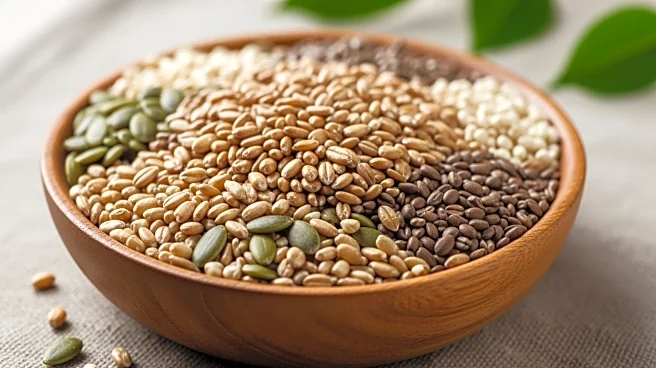

Dietary fiber plays a pivotal role in maintaining digestive health, offering numerous benefits that extend beyond simple nutrition. As a component of plant-based foods, fiber is not digested by human enzymes,
yet it is essential for promoting regular bowel movements and preventing digestive disorders. This article explores the impact of dietary fiber on digestive health, focusing on its ability to enhance bowel regularity and support a healthy gut.
Fiber and Bowel Regularity
One of the primary benefits of dietary fiber is its ability to promote regular bowel movements. Insoluble fiber, found in foods like wheat bran and vegetables, adds bulk to the stool and helps it pass more quickly through the digestive tract. This can prevent constipation and reduce the risk of developing hemorrhoids and diverticular disease.
Soluble fiber, on the other hand, absorbs water and forms a gel-like substance in the gut. This can help regulate bowel movements by softening the stool and making it easier to pass. Foods rich in soluble fiber, such as oats and legumes, are particularly effective in maintaining bowel regularity and preventing digestive discomfort.
Supporting a Healthy Gut
Dietary fiber also plays a crucial role in supporting a healthy gut microbiota. Fermentable fibers, such as resistant starch and inulin, serve as food for beneficial bacteria in the large intestine. These fibers are metabolized into short-chain fatty acids, which have various roles in gastrointestinal health, including reducing inflammation and supporting immune function.
A diet high in fiber can enhance the diversity and abundance of gut bacteria, contributing to a balanced and healthy microbiome. This, in turn, can improve digestion, boost nutrient absorption, and protect against gastrointestinal diseases.
Managing Digestive Disorders
For individuals with digestive disorders, such as irritable bowel syndrome (IBS), dietary fiber can offer relief from symptoms. Soluble fiber supplements, like psyllium, are often recommended to alleviate constipation and diarrhea associated with IBS. These supplements can help regulate bowel movements and reduce abdominal discomfort.
However, it is important to note that not all types of fiber are suitable for everyone. Some individuals may experience increased symptoms with certain fibers, particularly insoluble fiber. Therefore, it is crucial to tailor fiber intake to individual needs and consult with a healthcare professional for personalized advice.