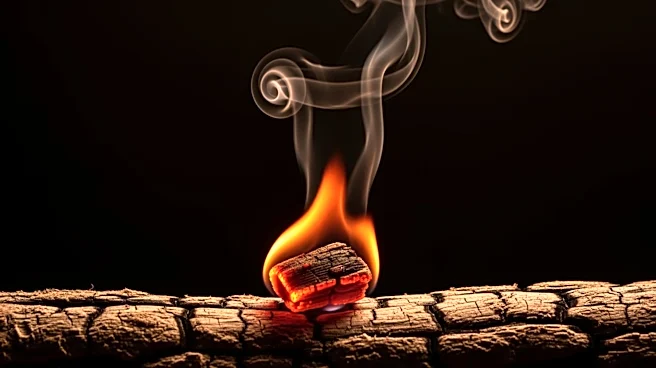







Salamanders have long been creatures of fascination, not just for their unique biological traits but also for their rich presence in folklore and mythology. Often depicted as having an affinity with fire, these amphibians have been the subject of numerous legends and symbolic interpretations throughout history. This article delves into the mythical associations of salamanders with fire, exploring how these creatures have been perceived across different
cultures and eras.
Salamanders in Ancient Lore
In ancient times, salamanders were often linked to fire, a connection that can be traced back to the Greeks and Romans. Aristotle and Pliny the Elder were among the first to document the salamander's supposed ability to withstand flames. Aristotle described the salamander as a creature that could endure fire, while Pliny noted its ability to extinguish flames. These early accounts laid the groundwork for the salamander's enduring association with fire.
The Greeks believed that salamanders were born from fire, a notion that was perpetuated by later writers. Theophrastus, a student of Aristotle, referred to the salamander as a lizard whose appearance signaled rain, further intertwining the creature with elemental forces. This connection to fire and water made the salamander a symbol of transformation and resilience in ancient lore.
Medieval and Renaissance Symbolism
During the medieval period, the salamander's association with fire took on new dimensions. Bestiaries, which were popular collections of animal stories and symbolism, often depicted salamanders as creatures that could live in flames without harm. This imagery was used allegorically in Christian writings, where the salamander symbolized faith and purity, able to withstand the fiery trials of life.
In the Renaissance, the salamander's fire-resistant reputation was further embellished. Leonardo da Vinci wrote about the salamander's ability to live in fire, claiming it fed on flames. This period also saw the salamander become a symbol of passionate love and chastity, reflecting its dual nature as both a creature of fire and purity.
The Salamander in Modern Folklore
Even in modern times, the salamander's mythical connection to fire persists. In French folklore, the salamander was believed to have a toxic breath capable of swelling a person until their skin broke. This fearsome reputation was likely a continuation of its ancient fire-related symbolism, emphasizing the creature's mysterious and dangerous nature.
The salamander's enduring presence in folklore highlights its unique place in human imagination. As a symbol of fire, transformation, and resilience, the salamander continues to captivate and inspire, bridging the gap between myth and reality. Its story is a testament to the power of folklore in shaping our understanding of the natural world and the creatures within it.