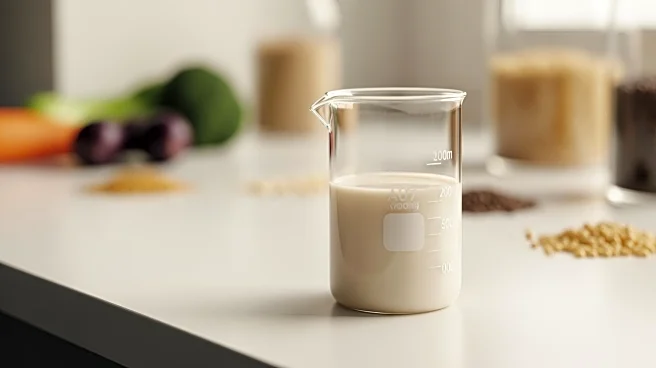




A liquid diet that is easy to digest and provides complete nutritional requirements is known as an elemental diet. This diet is composed of liquid nutrients that are simple for the body to absorb, making it a popular choice for those with specific medical needs. The elemental diet is designed to be hypoallergenic and anti-inflammatory, offering a full spectrum of micronutrients and macronutrients without the inclusion of whole proteins or common allergens.
This article explores the elemental diet's composition, its uses, and potential side effects.
Composition of the Elemental Diet
The elemental diet is primarily made up of amino acids, fats, sugars, vitamins, and minerals. These components are carefully selected to ensure that the diet is easy to digest and absorb. Unlike regular diets, the elemental diet does not contain whole or partial proteins, food additives, or other common allergens. This makes it a suitable option for individuals with allergies or sensitivities to certain foods.
The diet can be administered in various ways, including orally, through a gastric feeding tube, or via intravenous feeding. This flexibility allows it to be used in a range of medical situations where traditional food intake might be challenging. The liquid nature of the diet means it requires minimal processing by digestive enzymes, reducing the workload on the pancreas and gall bladder.
Uses of the Elemental Diet
The elemental diet is often used in the management of gastrointestinal and systemic diseases. It is particularly beneficial for conditions involving atopy, inflammation, indigestion, and malabsorption. For instance, it is an effective treatment for small intestinal bacterial overgrowth (SIBO) and intestinal methanogen overgrowth, with a significant reduction in symptoms reported after a 14-21 day course.
In addition to SIBO, the elemental diet is highly effective in inducing remission in Crohn's disease and eosinophilic esophagitis. It is also used in cases of eosinophilic gastritis/gastroenteritis and may help prevent chemotherapy-induced mucositis. However, its effectiveness in treating chronic pouchitis and pancreatitis is less clear.
Potential Side Effects and Considerations
Despite its benefits, the elemental diet is not without potential drawbacks. Many individuals find the taste intolerable, even when flavored, leading to a preference for intragastric administration. The diet can also be expensive and socially limiting, as it prevents the consumption of regular foods.
Some people may experience nausea and diarrhea due to the high sugar content, which can complicate conditions like hyperglycemia. Additionally, the diet's restrictive nature can have psychological effects, and its long-term use may promote bacterial overgrowth in the intestines. Therefore, it is crucial to undertake the elemental diet under medical supervision to mitigate these risks.