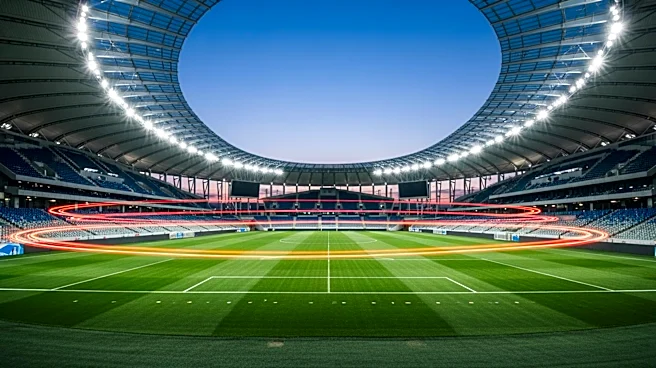


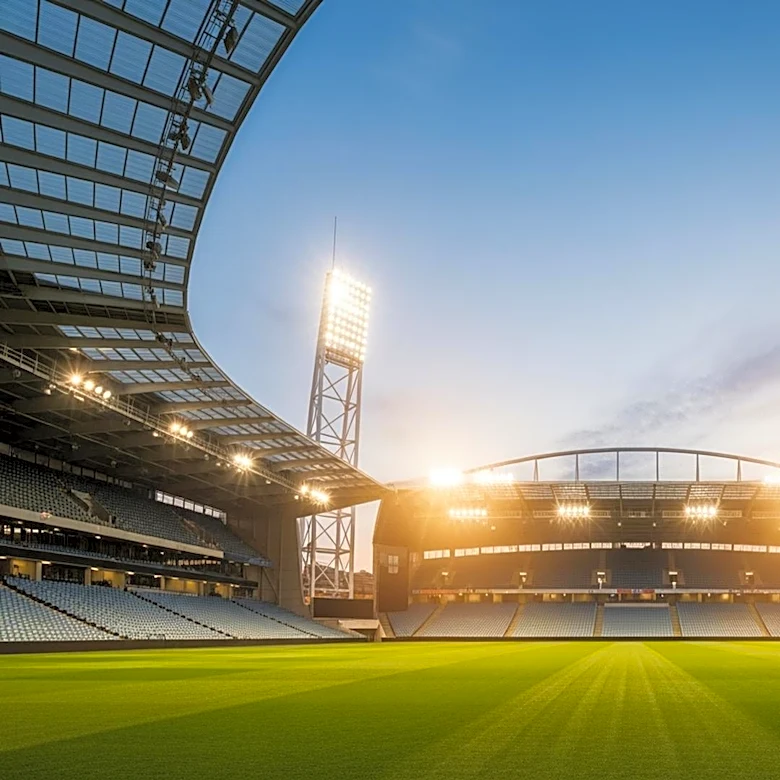
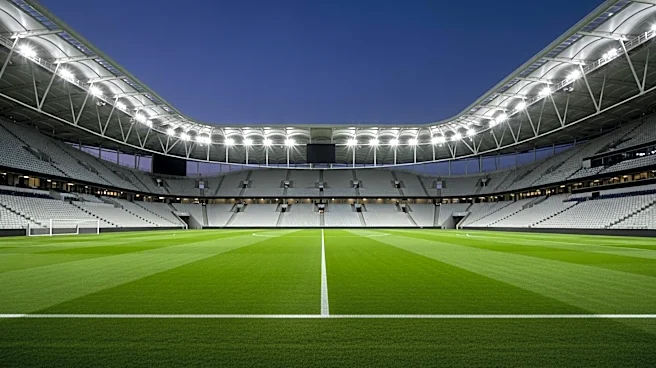

Free State Stadium, located in Bloemfontein, South Africa, played a notable role during the 2010 FIFA World Cup. With a capacity of 42,000, it was one of the key venues for this global sporting event. This article delves into the stadium's involvement in the World Cup, highlighting its significance and the memorable matches it hosted.
A Key Venue in Bloemfontein
Free State Stadium is situated in Bloemfontein, a city known for its rich history and cultural significance in South
Africa. The stadium itself is a prominent feature of the city, offering a seating capacity of 42,000. This made it an ideal location for hosting international events, such as the 2010 FIFA World Cup. The stadium's infrastructure and facilities were well-suited to accommodate the influx of fans and teams from around the world.
During the World Cup, Free State Stadium was one of the selected venues, underscoring its importance in the tournament. The stadium's location in Bloemfontein provided a unique backdrop for the matches, combining the excitement of the World Cup with the cultural richness of the city. This combination made it a memorable venue for both players and spectators.
Memorable Matches and Moments
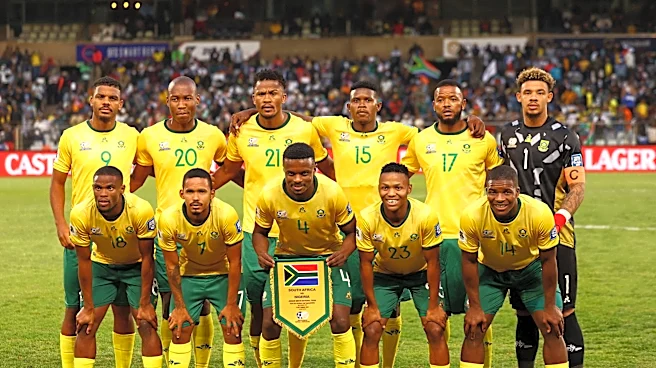
One of the standout matches hosted at Free State Stadium during the 2010 FIFA World Cup was between Japan and Cameroon. This match was a significant event, drawing attention from fans and media worldwide. The stadium's atmosphere was electric, with fans from both nations filling the stands and creating a vibrant and energetic environment.
The match itself was a showcase of skill and strategy, with both teams vying for victory on the world stage. The presence of international teams at Free State Stadium highlighted the global nature of the World Cup and the stadium's role in facilitating these important matches. The event was a testament to the stadium's capability to host high-profile international sporting events.
Legacy of the 2010 FIFA World Cup
The 2010 FIFA World Cup left a lasting legacy on Free State Stadium and Bloemfontein. The event brought global attention to the city and the stadium, enhancing its reputation as a premier venue for international sports. The improvements made to the stadium for the World Cup have continued to benefit the local community, providing a top-tier facility for future events.
The World Cup also fostered a sense of pride and unity among the residents of Bloemfontein, as they welcomed visitors from around the world. The successful hosting of the event at Free State Stadium demonstrated the city's ability to be part of a global sporting phenomenon, leaving a lasting impact on the community and the stadium itself.