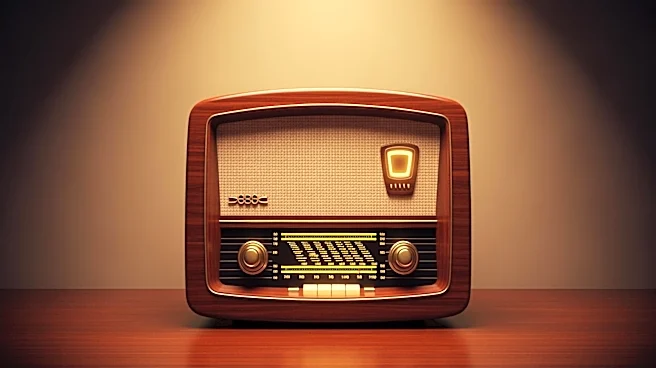




The 2nd Academy Awards, held on April 3, 1930, marked a significant moment in the history of the Oscars. This ceremony was the first to be broadcast on radio, a move that expanded the reach of the event beyond the walls of the Cocoanut Grove at the Ambassador Hotel in Los Angeles. The broadcast by local station KNX allowed a wider audience to experience the glamour and excitement of the awards, setting a precedent for future ceremonies.
The Birth of a Broadcast Tradition
The decision
to broadcast the 2nd Academy Awards on radio was a groundbreaking step for the Academy of Motion Picture Arts and Sciences. Prior to this, the awards were a more private affair, with winners announced in advance. The radio broadcast opened up the event to the public, allowing listeners to tune in and experience the ceremony in real-time. This move not only increased the visibility of the awards but also helped to cement the Oscars as a major cultural event.
The broadcast was a local affair, with KNX, a Los Angeles station, taking on the task of bringing the ceremony to the airwaves. This was a significant undertaking at the time, as radio was still a relatively new medium. The success of the broadcast demonstrated the potential of radio to connect people with events happening miles away, paving the way for future broadcasts of the Oscars and other major events.
Changes in the Ceremony Format
The 2nd Academy Awards also introduced several changes to the ceremony format. Unlike the first awards, where winners were announced in advance, the 1930 ceremony kept the winners a secret until the event itself. This added an element of suspense and excitement, both for those attending the ceremony and for the radio audience listening at home.
Additionally, the number of award categories was reduced from twelve to seven. This streamlining of categories was part of an effort to make the ceremony more concise and focused. Despite these changes, the ceremony maintained its prestige, with films like "The Broadway Melody" taking home the Best Picture award.
The Impact of Radio on the Oscars
The introduction of radio broadcasts had a lasting impact on the Academy Awards. It allowed the Oscars to reach a broader audience and increased public interest in the event. This, in turn, helped to elevate the status of the awards, making them a key part of the entertainment industry.
The success of the radio broadcast at the 2nd Academy Awards set a precedent for future ceremonies. As technology advanced, the Oscars continued to embrace new mediums, eventually moving to television and, more recently, online streaming. The decision to broadcast the 1930 ceremony on radio was a pivotal moment that helped shape the future of the Academy Awards.