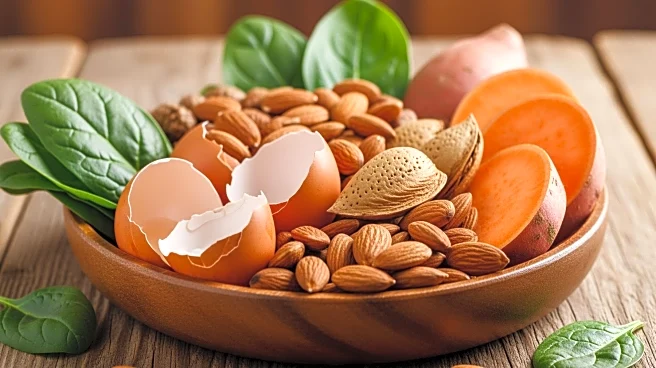

Biotin, or vitamin B7, is an essential nutrient found in various foods, contributing to metabolic processes and overall health. Understanding the sources of biotin and its stability during cooking can
help individuals make informed dietary choices. This article explores the primary food sources of biotin and how cooking affects its availability.
Food Sources of Biotin
Biotin is naturally present in a wide range of foods, making it accessible through a balanced diet. Meats, particularly liver, are rich in biotin, providing a substantial amount of this vitamin. Dairy products and eggs also contribute to dietary biotin intake, offering a convenient source for many individuals.
In addition to animal products, biotin can be found in certain plant-based foods, such as nuts and seeds. These sources are particularly important for individuals following vegetarian or vegan diets, ensuring they receive adequate biotin without relying on animal products.
Stability of Biotin During Cooking
One of the notable characteristics of biotin is its stability at room temperature and resistance to destruction by cooking. Unlike some vitamins that degrade with heat, biotin remains intact, allowing it to be retained in cooked foods.
This stability means that individuals can enjoy a variety of cooked dishes without worrying about losing biotin content. Whether boiling, baking, or frying, biotin remains available, making it easier to incorporate into daily meals.
Dietary Intake and Supplementation
The estimated dietary biotin intake in Western populations ranges from 35 to 70 micrograms per day, with nursing infants consuming about 6 micrograms daily. For those who may not get enough biotin from food alone, dietary supplements are available, either individually or as part of multivitamins.
Biotin supplements can help ensure adequate intake, particularly for individuals with increased needs or those at risk of deficiency. However, given the rarity of biotin deficiency, supplementation is often unnecessary for those consuming a varied diet.
Biotin's presence in diverse foods and its stability during cooking make it an easily accessible nutrient. By understanding these aspects, individuals can make informed choices to maintain adequate biotin levels and support their metabolic health.