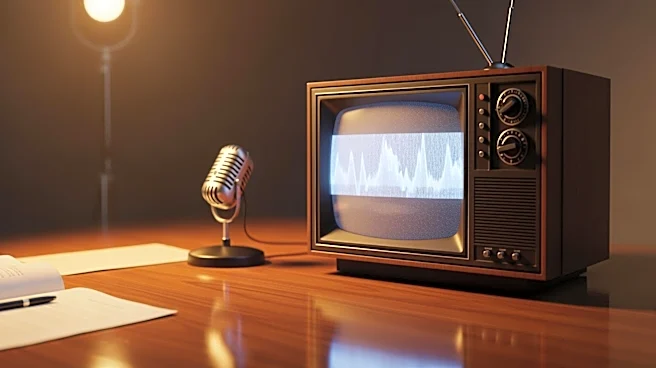







The Army–McCarthy hearings of 1954 were a landmark event in American history, not only for their political implications but also for their role in the evolution of television as a medium of mass communication. These hearings were among the first to be broadcast live on television, reaching an estimated 80 million viewers. This article examines how television coverage of the hearings influenced public perception and contributed to the political outcomes
of the time.
The Power of Live Broadcast
The decision to broadcast the Army–McCarthy hearings live was made by Francis Newton Littlejohn, the news director at ABC. The hearings were covered gavel-to-gavel on the ABC and DuMont networks, with partial coverage by NBC. This unprecedented live coverage allowed the American public to witness the proceedings in real-time, providing an unfiltered view of the events as they unfolded.
Television brought the drama of the hearings into living rooms across the country, making the public more engaged and informed about the issues at hand. The visual medium allowed viewers to see the demeanor and behavior of the participants, including Senator Joseph McCarthy, his chief counsel Roy Cohn, and the Army's chief counsel Joseph Welch. This direct exposure played a significant role in shaping public opinion.
Shifting Public Opinion
As the hearings progressed, the public's perception of McCarthy began to shift. The televised coverage exposed McCarthy's aggressive and often reckless tactics, which included making baseless accusations and attacking individuals' characters without substantial evidence. The public could see firsthand the confrontations between McCarthy and Welch, including Welch's famous rebuke, "Have you no sense of decency, sir?"
The impact of television was evident in the changing public opinion polls. In January 1954, McCarthy's approval rating was at 50%, but by June, it had dropped significantly, with more people disapproving of his methods. The visual exposure of McCarthy's tactics and demeanor contributed to this decline, as viewers were able to form their own judgments based on what they saw on their screens.
Television's Lasting Impact
The Army–McCarthy hearings demonstrated the power of television as a tool for political accountability and transparency. The live coverage allowed the public to witness the proceedings without the filter of print media, leading to a more informed and engaged citizenry. The hearings marked a turning point in how political events were covered and consumed, setting a precedent for future televised events.
The decline of McCarthy's influence following the hearings underscored the impact of television on political outcomes. The medium had exposed McCarthy's unethical tactics, leading to his censure by the Senate and the end of his political career. The Army–McCarthy hearings remain a significant example of television's role in shaping public perception and political history.