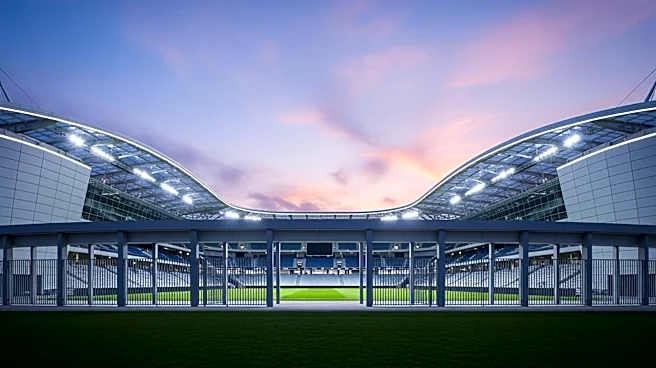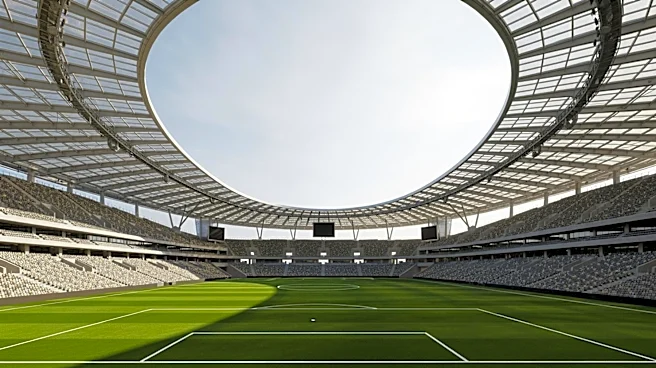

Arena da Amazônia, situated in Manaus, Brazil, has played a significant role in hosting international sporting events since its completion in 2014. Built for the 2014 FIFA World Cup, the stadium has continued
to serve as a venue for major competitions, including the 2016 Summer Olympics. This article explores the stadium's contributions to global sports and its impact on the local community.
Hosting the 2014 FIFA World Cup
The primary purpose of Arena da Amazônia's construction was to serve as one of the venues for the 2014 FIFA World Cup. During the tournament, the stadium hosted four matches, drawing international attention to Manaus and the Amazon region. The World Cup provided an opportunity for the city to showcase its unique culture and environment to a global audience.
The matches held at Arena da Amazônia were well-attended, with the stadium's capacity temporarily reduced to 40,549 to accommodate FIFA's requirements. The event was a logistical challenge, given the remote location and limited infrastructure of Manaus. However, the successful hosting of World Cup matches demonstrated the stadium's capability to handle large-scale international events.
The 2016 Summer Olympics
Following the World Cup, Arena da Amazônia was selected as one of the venues for the football tournament at the 2016 Summer Olympics. This decision further cemented the stadium's status as a key player in international sports. Hosting Olympic events brought additional exposure and economic benefits to the region, as athletes and spectators from around the world visited Manaus.
The inclusion of Arena da Amazônia in the Olympics highlighted the stadium's versatility and modern facilities. It also underscored the importance of investing in infrastructure that can support a variety of events beyond its original purpose. The stadium's ability to adapt to different sporting requirements has been a significant factor in its continued use.
Legacy and Future Prospects
While Arena da Amazônia has successfully hosted major international events, its long-term sustainability remains a topic of discussion. The stadium was built in a region without a top-tier football team, raising questions about its regular use and maintenance. Despite these challenges, the stadium continues to host local and regional events, contributing to the community's cultural and economic life.
The legacy of Arena da Amazônia is still unfolding, as stakeholders explore ways to maximize its potential. The stadium's role in global sports has brought attention to Manaus and the Amazon, highlighting the region's unique offerings. As discussions about its future continue, Arena da Amazônia stands as a symbol of Brazil's commitment to hosting world-class sporting events.