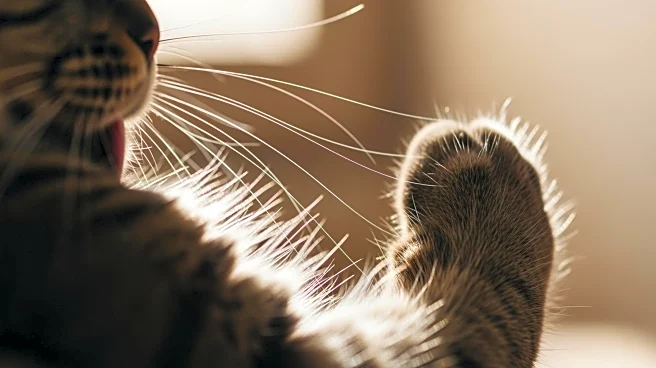

Domestic cats are known for their fastidious grooming habits, spending a significant portion of their day cleaning themselves. These routines are not just about hygiene; they are deeply ingrained behaviors
that serve various purposes. This article examines the grooming habits of domestic cats, highlighting their routines and the benefits they provide.
Daily Grooming Routine
Cats are meticulous groomers, dedicating a substantial amount of time to this activity. On average, domestic cats spend about 8% of their waking hours grooming themselves. This routine involves licking their fur, which helps remove dirt, loose hairs, and parasites. The backward-facing spines on their tongues act like a brush, ensuring thorough cleaning.
Grooming is not limited to self-care; cats also groom each other. This social grooming is a sign of affection and trust, often observed between cats that share a close bond. By grooming one another, cats reinforce social ties and create a sense of community within their group.
Health Benefits of Grooming
Grooming offers several health benefits for cats. It helps control ectoparasites, such as fleas, which are common among domestic cats. Regular grooming can dislodge fleas, particularly from the head and neck area, reducing the risk of infestations. Additionally, grooming allows cats to scratch itchy areas, providing relief and maintaining skin health.
Moreover, grooming contributes to a cat's overall well-being by promoting relaxation. The repetitive motion of licking can have a calming effect, helping cats manage stress and anxiety. This self-soothing behavior is an essential part of a cat's daily routine, contributing to their mental health.
Grooming and Territory
Grooming also plays a role in territory marking. When cats groom themselves, they spread their scent through the oils in their fur. This scent acts as a marker, signaling to other cats that the area is claimed. In multi-cat households, grooming helps establish territory, preventing disputes and maintaining harmony.
Cats have scent glands located on various parts of their bodies, including their paws. When they knead or scratch objects, they transfer pheromones, further marking their territory. This olfactory communication complements grooming, creating a comprehensive system for territorial management.
In summary, the grooming habits of domestic cats are complex behaviors that serve multiple purposes. From maintaining health to reinforcing social bonds, grooming is an integral part of a cat's life. Understanding these habits provides insight into the daily routines and needs of domestic cats.