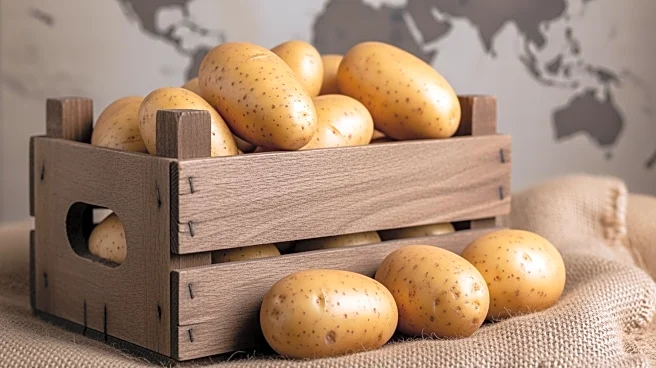

The potato, a humble tuber, has a rich history that spans continents and centuries. Originating in the Americas, the potato has become a staple food worldwide. This article explores the historical journey
of the potato, from its domestication in South America to its global spread and impact on societies.
Origins in the Andes
The potato is native to the Andes region of South America, where it was first domesticated by pre-Columbian farmers around 7,000 to 10,000 years ago. The indigenous people of this region cultivated a variety of potato species, adapting them to the diverse climates and altitudes of the Andes. The potato was a crucial part of the diet for these early civilizations, providing a reliable source of nutrition.
Genetic studies have shown that the cultivated potato has a single origin in the area of present-day southern Peru and northwestern Bolivia. This region remains a center of potato diversity, with thousands of varieties still grown today. The domestication of the potato was a significant agricultural achievement, allowing for the development of stable societies in the Andes.
Introduction to Europe
The potato was introduced to Europe in the second half of the 16th century, following the Spanish conquest of the Inca Empire. As part of the Columbian exchange, the potato was brought back to Europe by Spanish explorers. Initially, European farmers were slow to adopt the potato, but by the 18th century, it had become an important food staple.
The potato played a crucial role in the European population boom of the 19th century. Its ability to grow in diverse climates and provide substantial nutrition made it a valuable crop. The introduction of the potato is estimated to have contributed to a quarter of the growth in the Old World population between 1700 and 1900.
Global Spread and Impact
From Europe, the potato spread to other parts of the world, including Asia and Africa. It became a staple food in many countries, adapting to local cuisines and agricultural practices. The potato's resilience and nutritional value have made it a vital crop in regions facing food security challenges.
However, the reliance on a limited number of potato varieties led to vulnerabilities, such as the Great Irish Famine in the mid-19th century. This event highlighted the importance of genetic diversity in crops and the risks of monoculture farming.
Today, the potato continues to be a global staple, with China and India leading in production. Its journey from the Andes to the world stage is a testament to its adaptability and significance in human history.