
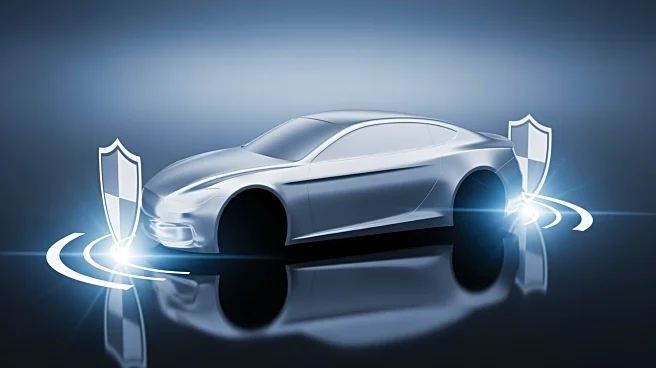
Crashworthiness is a fundamental aspect of automotive safety, focusing on the ability of a vehicle to protect its occupants during a crash. This concept encompasses various systems and design features that work together to minimize injuries and enhance the survivability of passengers. Understanding crashworthiness is essential for appreciating how modern vehicles are engineered to withstand collisions.
The Role of Seatbelts and Airbags
Seatbelts and airbags are two of the most critical
components of a vehicle's crashworthiness. Seatbelts are designed to restrain occupants, preventing them from being ejected from the vehicle during a crash. They work by limiting the forward motion of the body, stretching to absorb energy, and reducing the force exerted on the occupants. This not only minimizes the risk of injury but also ensures that passengers remain in the optimal position for airbag deployment.
Airbags complement seatbelts by providing a cushion that absorbs the impact of a collision. They are strategically placed throughout the vehicle to protect occupants from striking hard surfaces, such as the steering wheel or dashboard. The combination of seatbelts and airbags significantly enhances the crashworthiness of a vehicle, offering a comprehensive approach to occupant protection.
Structural Integrity and Crumple Zones
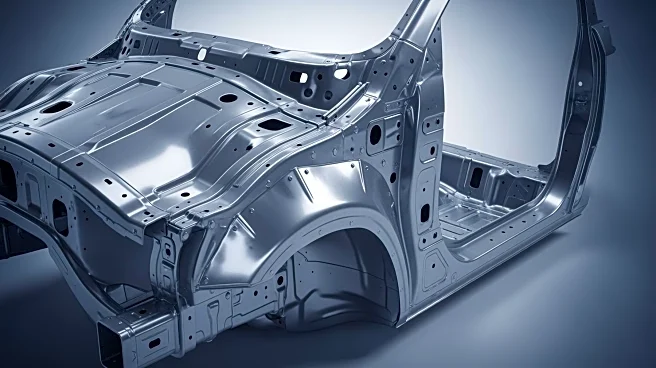
The structural integrity of a vehicle is another crucial element of crashworthiness. Modern vehicles are designed with crumple zones, which are areas that deform and absorb energy during a collision. These zones are typically located at the front and rear of the vehicle, allowing the structure to collapse in a controlled manner and dissipate the force of the impact away from the passenger compartment.
Crumple zones work in conjunction with a reinforced safety cell, which is the area surrounding the occupants. This cell is constructed with high-strength materials to maintain its shape and provide a survival space during a crash. By directing the energy of a collision away from the occupants, crumple zones and safety cells play a vital role in enhancing crashworthiness.
Innovations in Crash Testing
Crash testing is an essential process in evaluating the crashworthiness of vehicles. Manufacturers use anthropomorphic crash test dummies to simulate human responses during a collision. These tests provide valuable data on how different design features perform under crash conditions, allowing engineers to refine and improve vehicle safety.
Advancements in crash testing technology have led to more accurate simulations and better understanding of crash dynamics. This has resulted in the development of safer vehicles that offer improved protection for occupants. As technology continues to evolve, the potential for further innovations in crashworthiness remains significant.
In summary, crashworthiness is a critical component of automotive safety, encompassing a range of systems and design features that work together to protect occupants during a collision. Through the use of seatbelts, airbags, structural integrity, and advanced crash testing, manufacturers strive to create vehicles that offer the highest level of safety for drivers and passengers.