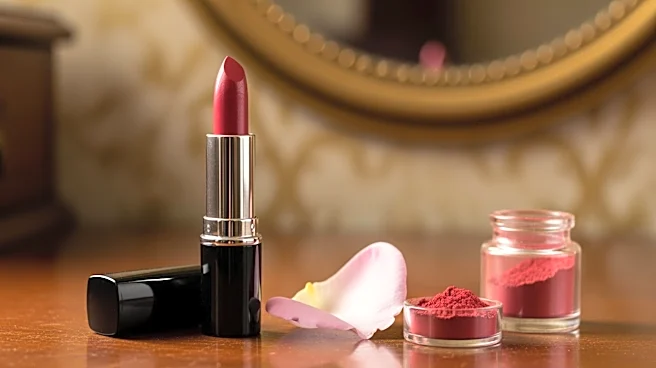



Lipstick is a complex cosmetic product that combines art and science to deliver color, texture, and longevity. The formulation of lipstick involves a careful selection of ingredients and processes to achieve the desired effect. This article explores the science behind lipstick formulation, highlighting the key components and techniques used in its creation.
Key Ingredients in Lipstick
Lipstick is primarily composed of wax, oils, pigments, and emollients. Each of these ingredients
plays a crucial role in the final product. Waxes, such as beeswax, ozokerite, and candelilla wax, provide structure and stability to the lipstick, allowing it to maintain its shape. Carnauba wax, known for its high melting point, is often used to strengthen the lipstick and prevent it from melting easily.
Oils and fats, such as olive oil, mineral oil, cocoa butter, and lanolin, are added to lipsticks to provide moisture and a smooth application. These oils help the lipstick glide on the lips and prevent them from drying out. Pigments and lake dyes, including bromo acid, D&C Red No. 21, and D&C Orange No. 17, are used to impart color to the lipstick. Both organic and inorganic pigments are employed to achieve a wide range of shades.
Formulation Techniques
The process of creating lipstick involves grinding and heating the ingredients to form a uniform mixture. Heated waxes are added to the mix to provide texture, while oils and lanolin are incorporated to meet specific formula requirements. The hot liquid is then poured into metal molds and chilled to solidify.
Once the lipstick has hardened, it is heated in a flame for a brief moment to create a shiny finish and remove any surface imperfections. This step is crucial for achieving the smooth, glossy appearance that many lipsticks are known for. The final product is then packaged in a tube, ready for consumer use.
Variations in Lipstick Formulation
Different types of lipsticks are formulated to achieve specific effects. Matte lipsticks, for example, contain more filling agents like silica and fewer emollients, resulting in a flat, non-shiny finish. Creme lipsticks have a higher wax content, providing a creamy texture, while sheer and long-lasting lipsticks contain more oil for a glossy finish.
Long-lasting lipsticks often include silicone oil, which helps seal the color to the lips and extend wear time. Shimmery or frost lipsticks may contain mica, silica, or synthetic pearl particles to give them a glittery or shimmering shine. These variations in formulation allow consumers to choose lipsticks that best suit their preferences and needs.