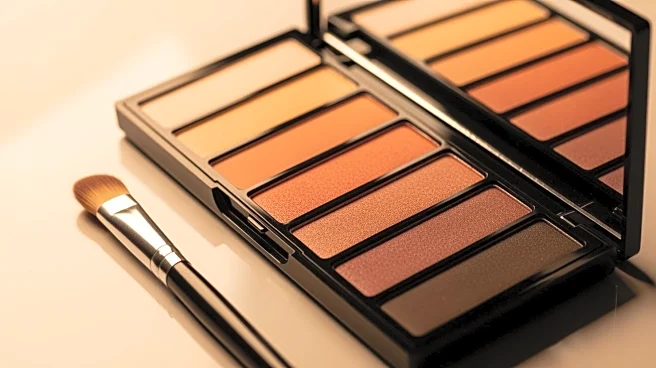



Eye shadow is more than just a cosmetic; it is an art form that requires skill and understanding of various techniques and tools. Whether aiming for a subtle enhancement or a dramatic look, the application of eye shadow involves a blend of creativity and precision. This article delves into the methods and materials that make eye shadow a versatile and essential part of makeup artistry.
Techniques and Tools
The application of eye shadow can vary greatly depending on the
desired effect. Common techniques include blending, smudging, and layering, each contributing to the overall look. Blending is crucial for achieving a seamless transition between colors, while smudging can create a softer, more diffused appearance. Layering different shades and finishes can add depth and dimension to the eyes.
Tools play a significant role in the application process. Brushes of various shapes and sizes are used to apply and blend eye shadow. Flat brushes are ideal for packing color onto the eyelids, while fluffy brushes are perfect for blending. Precision brushes are used for detailed work, such as applying color to the lower lash line or the inner corners of the eyes. The choice of tools can greatly influence the final outcome, making them an essential part of any makeup kit.
Formulations and Finishes
Eye shadow comes in a variety of formulations, each offering unique benefits. Powder eye shadows are the most common and are favored for their ease of use and blendability. Cream eye shadows provide a more intense color payoff and can be used as a base to enhance the vibrancy of powder shadows. Liquid and mousse formulations offer a different texture and finish, often providing a long-lasting effect.
The finish of an eye shadow can also impact the overall look. Matte finishes are ideal for creating depth and structure, while shimmery or metallic finishes add a touch of glamour and highlight. Iridescent and duo-chrome eye shadows offer a multi-dimensional effect, changing color depending on the angle of light. The choice of formulation and finish allows for endless possibilities in eye shadow application.
Removing Eye Shadow
Removing eye shadow is an important step in maintaining healthy skin. While commercial makeup removers are effective, simple methods such as using a rich face wash or baby oil can also remove eye shadow. Ensuring that all traces of makeup are removed helps prevent irritation and keeps the skin around the eyes healthy.
The art of applying eye shadow is a dynamic process that combines technique, tools, and creativity. Understanding the nuances of different formulations and finishes allows for a personalized approach to makeup, making eye shadow a powerful tool for self-expression.