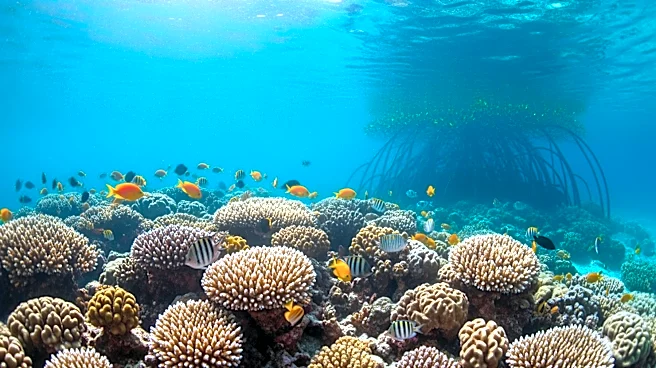

The Florida Keys, a stunning archipelago stretching from the southeastern coast of Florida to Key West and the Dry Tortugas, are not only a popular tourist destination but also an area of immense environmental
significance. The unique ecosystems and diverse marine life found in the Florida Keys make them a vital part of the region's natural heritage. However, these ecosystems face numerous challenges that threaten their health and sustainability.
The Florida Keys National Marine Sanctuary
The Florida Keys are home to the Florida Keys National Marine Sanctuary, a protected area that encompasses approximately 2,900 square nautical miles of coastal and ocean waters. Established in 1990, the sanctuary aims to protect the marine resources of the Florida Keys while allowing for sustainable human use. It includes the Florida Reef, the only barrier coral reef in North America and the third-largest coral barrier reef in the world.
The sanctuary supports a high species diversity due to the presence of both tropical and subtropical species. It is home to the largest documented contiguous seagrass community in the northern hemisphere and extensive coral reef habitats. These ecosystems provide critical habitat for a wide range of marine life, including fish, crustaceans, and marine mammals. The sanctuary also protects maritime heritage resources, preserving the historical and cultural significance of the region.
Environmental Challenges
Despite the protections in place, the Florida Keys face several environmental challenges that threaten their delicate ecosystems. Population growth and urban development have led to increased erosion and runoff, which can carry sediments and pollutants into the ocean. This runoff can damage coral reefs and increase nutrient concentrations, leading to algal blooms that smother corals and disrupt the balance of marine ecosystems.
Overfishing is another significant challenge, as it alters the ecological dynamics of marine communities and allows certain organisms to dominate reefs that were once controlled by large reef fish populations. Additionally, tourism, while economically beneficial, can contribute to reef damage. Divers and snorkelers may inadvertently harm corals by touching them, and boats can cause damage by running aground or dragging anchors.
Conservation Efforts and Future Outlook
Efforts to address these environmental challenges are ongoing, with a focus on sustainable practices and conservation initiatives. The Florida Keys National Marine Sanctuary plays a crucial role in these efforts, working to protect and restore the region's marine resources. Education and outreach programs aim to raise awareness about the importance of preserving the unique ecosystems of the Florida Keys.
Invasive species, such as the lionfish, pose additional threats to the native flora and fauna of the Keys. These species can disrupt the balance of ecosystems and outcompete native species for resources. Conservation efforts include monitoring and managing invasive species populations to minimize their impact on the environment.
The environmental significance of the Florida Keys cannot be overstated. As a region of unparalleled natural beauty and biodiversity, the Keys are a vital part of Florida's ecological heritage. Protecting and preserving these ecosystems is essential to ensuring their health and sustainability for future generations. Through continued conservation efforts and responsible stewardship, the Florida Keys can remain a vibrant and thriving natural wonder.