



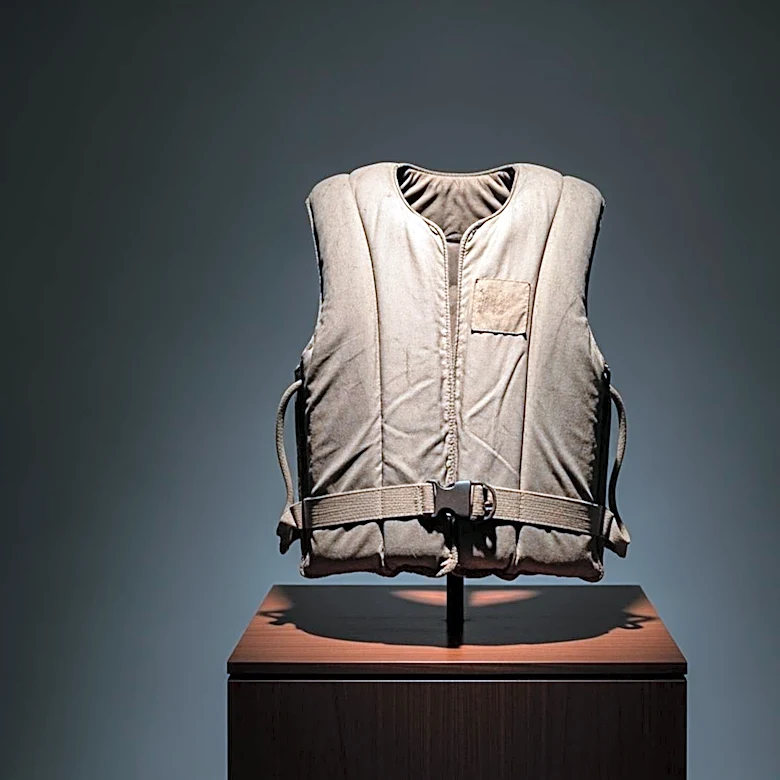





Mae West, an iconic figure in American entertainment, began her illustrious career in vaudeville before achieving stardom on Broadway. Known for her bold personality and distinctive style, West's journey to fame was marked by her ability to captivate audiences with her unique blend of humor and charisma.
Early Beginnings in Vaudeville
Mae West's career in entertainment started at a young age. She first performed publicly at the age of five during a church social, and by seven, she
was appearing in amateur shows, often winning local talent contests. Her professional career began in vaudeville with the Hal Clarendon Stock Company when she was just 14 years old. As a child performer, West adopted the stage name "Baby Mae" and experimented with various personas, including a male impersonator.
Vaudeville was a popular form of entertainment in the early 20th century, and West's performances quickly gained attention. Her mother was a constant supporter, believing in Mae's talent despite disapproval from other family members. By 1918, West had gained significant attention in the Shubert Brothers revue "Sometime," where she danced the shimmy, a popular dance of the era.
Transition to Broadway
Mae West's transition from vaudeville to Broadway was marked by her bold decision to write her own plays. Using the pen name Jane Mast, West wrote, produced, and directed her first starring role on Broadway in the 1926 play "Sex." Despite conservative critics panning the show, ticket sales were strong, and the production drew the ire of city officials, leading to West's arrest for "corrupting the morals of youth."
The media attention surrounding her arrest only enhanced West's career, as she became known as a "bad girl" who had climbed the ladder of success. Her next play, "The Drag," dealt with homosexuality and was one of her "comedy-dramas of life." Although it never opened on Broadway due to efforts to ban it, West's support for the women's liberation movement and gay rights was evident.
Broadway Stardom and Legal Troubles
West's legal troubles did not deter her from achieving Broadway stardom. Her 1928 play "Diamond Lil" became a Broadway hit, and she revived it many times throughout her career. Despite mixed reviews for her later plays, West's notoriety continued to enhance her public image as a daring and provocative performer.
Her success on Broadway eventually led to a contract with Paramount Pictures, marking the beginning of her Hollywood film career. Mae West's journey from vaudeville to Broadway stardom is a testament to her resilience and ability to captivate audiences with her unique style and bold personality.