





Billy Graham's New York Crusade in 1957 was a landmark event in the history of evangelism, but it was not without its share of controversies and criticisms. As the longest evangelistic campaign conducted by Graham, the crusade faced opposition from various quarters, including liberal theologians, Protestant fundamentalists, and proponents of racial segregation.
Criticism from Liberal Theologians
One of the major sources of controversy surrounding the New York Crusade was the criticism
from liberal theologians. These critics argued that Graham's approach to evangelism was overly simplistic and failed to address the complexities of modern life. Theologian Reinhold Niebuhr, for instance, accused Graham of offering easy solutions to life's problems and simplifying theological issues.
Despite these criticisms, Graham's campaign was successful in attracting large audiences and fostering a sense of spiritual revival. The crusade's emphasis on media and televangelism helped reach a broader audience, but it also raised concerns about the commercialization of religious messages. Critics worried that the use of television and other media platforms might dilute the theological depth of Graham's sermons.
Opposition from Protestant Fundamentalists
The New York Crusade also faced opposition from Protestant fundamentalists who were critical of Graham's ecumenical approach. Graham's willingness to collaborate with various denominations and his inclusive stance on racial integration were seen as compromising fundamentalist principles. Some fundamentalists even labeled Graham as the Antichrist, accusing him of sending converts to liberal churches that they believed rejected biblical teachings.
This criticism highlighted the tension between Graham's evangelistic methods and the more conservative elements within the Protestant community. While Graham sought to bridge denominational divides and promote unity, his approach was met with resistance from those who viewed it as a departure from traditional evangelical values.
Racial Integration and Social Criticism
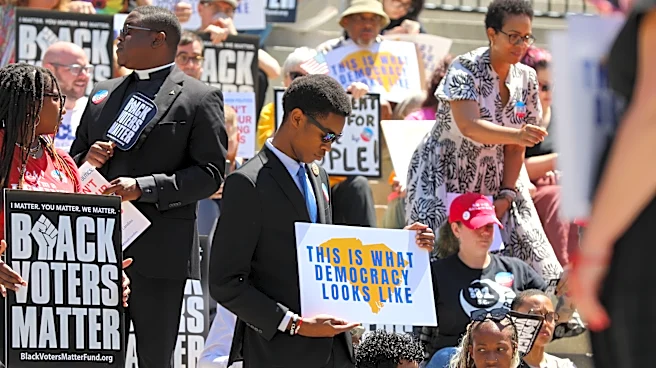
Another significant controversy surrounding the New York Crusade was its stance on racial integration. Graham's decision to invite black ministers and Martin Luther King Jr. to participate in the campaign was met with criticism from proponents of racial segregation. These critics argued that Graham's efforts to integrate his crusades were politically motivated and undermined the social order.
Despite the backlash, Graham's commitment to racial equality was a progressive step that contributed to the broader civil rights movement. His willingness to address social issues through his evangelistic campaigns demonstrated the potential for religious events to influence societal change and challenge prevailing norms.
In conclusion, the New York Crusade was a pivotal moment in the history of evangelism, marked by both success and controversy. The criticisms it faced from various quarters underscored the challenges of navigating religious outreach in a complex and changing world. Despite these controversies, the crusade's impact on media, social issues, and religious unity remains a significant part of its legacy.