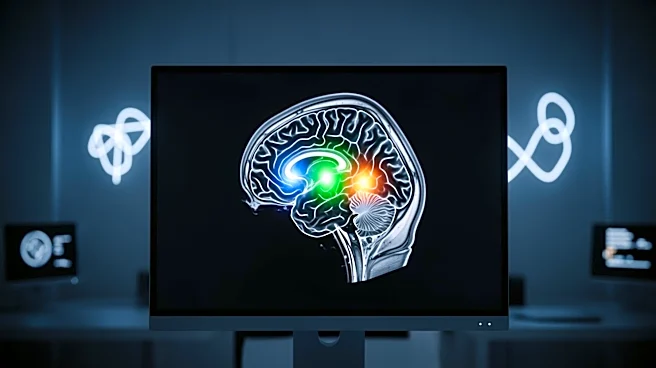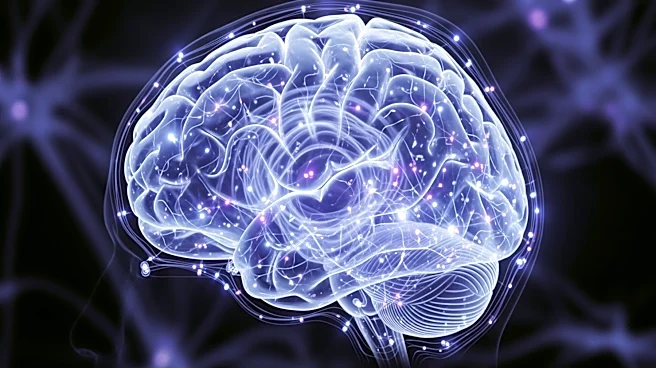







Learning disabilities are a complex and often misunderstood aspect of human cognition. They are primarily neurological conditions that affect an individual's ability to process information. This article delves into the neurological underpinnings of learning disabilities, highlighting how they differ from learning disorders and the impact they have on individuals.
The Neurological Basis of Learning Disabilities
Learning disabilities originate from the brain's inability to process information in typical
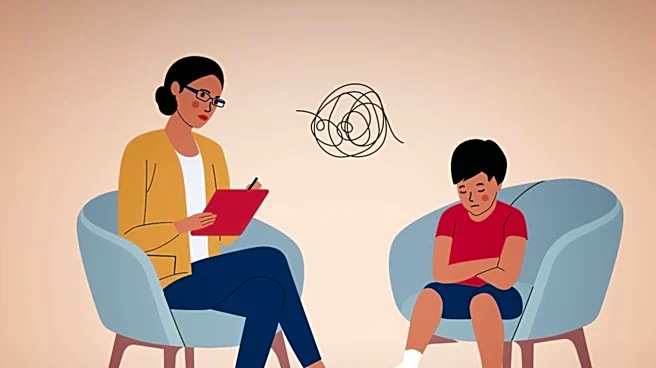
ways. This neurological condition can manifest in various forms, affecting how individuals comprehend and process information. Unlike learning disorders, which are often identified by academic skill deficits, learning disabilities require a clinical diagnosis. Professionals such as psychologists and speech-language pathologists assess individuals to determine the presence of a learning disability.
The brain's processing challenges can lead to difficulties in performing specific tasks or learning new skills. These challenges are not indicative of a person's overall intelligence or ability to learn but rather reflect a difference in how information is processed. This distinction is crucial in understanding that individuals with learning disabilities can still achieve success through alternative learning strategies.
Differentiating Learning Disabilities from Learning Disorders
While the terms learning disability and learning disorder are often used interchangeably, they represent different concepts. A learning disorder refers to significant learning problems in academic areas, which may not always warrant a clinical diagnosis. In contrast, a learning disability is a clinically recognized condition that meets specific diagnostic criteria.
The distinction lies in the degree, frequency, and intensity of symptoms. Learning disorders may involve inadequate development of academic, language, and speech skills, but they do not always meet the threshold for a learning disability diagnosis. Understanding this difference is essential for providing appropriate support and interventions for individuals affected by these conditions.
The Impact of Learning Disabilities on Individuals
Individuals with learning disabilities face unique challenges that can persist throughout their lives. The severity and type of disability, along with available interventions and technologies, play a significant role in shaping their experiences. Some interventions may be straightforward, while others require more complex strategies and technologies.
Support from teachers, parents, and schools is vital in creating tailored intervention plans that help individuals become independent learners. A multidisciplinary team, including school psychologists and special educators, often collaborates to design and implement these interventions. By fostering an environment that accommodates diverse learning needs, individuals with learning disabilities can achieve success and independence.