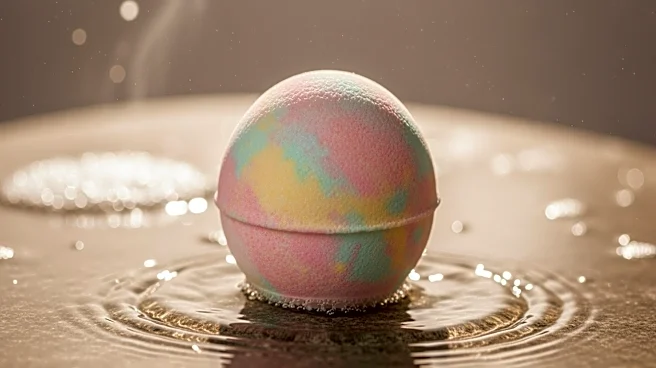





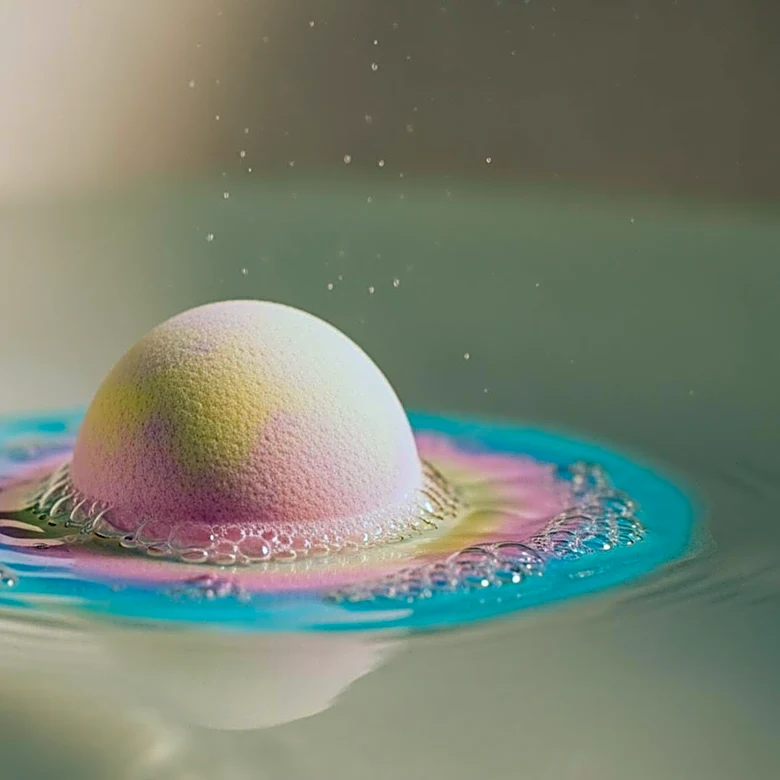



Bath bombs have become a staple in the world of self-care, offering a fizzy, colorful, and aromatic experience in the bath. But where did this delightful invention come from, and how did it evolve into the trend we know today? This article delves into the history of bath bombs, tracing their journey from a simple idea to a popular bath-time accessory.
The Birth of Bath Bombs
Bath bombs were invented in 1989 by Mo Constantine, co-founder of Lush Cosmetics. Inspired by the
effervescent action of Alka-Seltzer tablets, Constantine began experimenting with molds and ingredients in her shed in Dorset. Her initial creations resembled Alka-Seltzer tablets, but she quickly expanded her designs to include a variety of shapes and ingredients. The original bath bomb was patented under the brand name 'Cosmetics To Go.' However, after the company went into administration, the patent was lost.
Constantine's invention was driven by a desire to create a unique bathing experience. By combining citric acid and sodium bicarbonate, she achieved the signature fizzing effect that bath bombs are known for. This reaction not only creates bubbles but also disperses essential oils, fragrances, and colorants into the bathwater, enhancing the sensory experience.
Bath Bombs in the Modern Era
In recent years, bath bombs have become a cultural phenomenon, leading to trends like bathscaping, where individuals decorate their bathtubs before and during bathing. The popularity of bath bombs has been fueled by social media, where videos and pictures of multilayered bath bombs are often shared, referred to as bath art.
The composition of bath bombs has also evolved, with manufacturers experimenting with various ingredients to enhance the bathing experience. While the primary ingredients remain a weak acid and a bicarbonate base, many bath bombs now include scented ingredients, dyes, and lathering agents like sodium lauryl sulfate to create bubble foams.
The Impact and Future of Bath Bombs
Bath bombs have not only transformed the way people approach bathing but have also influenced the beauty and wellness industry. Their popularity has led to increased production rates, with some companies using machines to produce hundreds of bath bombs per hour.
Despite their widespread appeal, bath bombs are not without potential health concerns. Some additives, such as fragrances and dyes, can cause skin irritation. However, the main ingredients—citric acid and sodium bicarbonate—are generally well-tolerated due to significant dilution in water.
As bath bombs continue to evolve, they remain a beloved part of many people's self-care routines, offering a moment of relaxation and indulgence in an increasingly busy world.