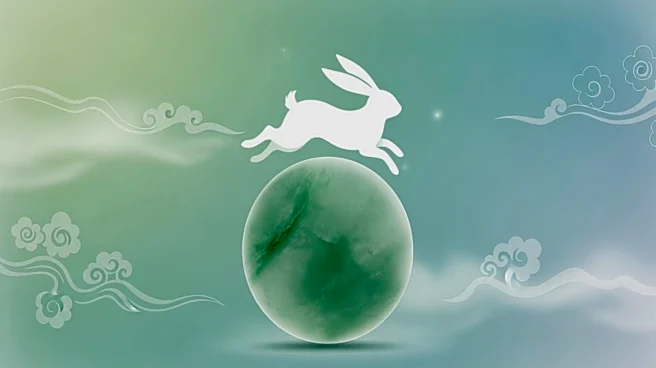

The Rabbit, also known as the Hare, holds a significant place in the Chinese zodiac as the fourth animal in the twelve-year cycle. This zodiac sign is associated with various symbolic meanings and cultural
associations that have been passed down through generations. People born in the Year of the Rabbit are often believed to embody certain virtues and characteristics that align with the symbolic nature of this gentle creature.
Symbolic Meanings of the Rabbit
In the Chinese zodiac, the Rabbit is associated with the Earthly Branch symbol and the element of Wood. This connection to Wood in the Wuxing theory highlights the Rabbit's association with growth, vitality, and renewal. The Rabbit is also linked to the Liver Yin in Traditional Chinese Medicine, which emphasizes its connection to emotions and virtues such as kindness and hope. These associations paint the Rabbit as a symbol of gentleness and compassion, qualities that are often attributed to individuals born under this sign.
The Rabbit's symbolic meanings extend beyond its elemental associations. In Chinese culture, the Rabbit is seen as a creature of peace and tranquility. Its gentle nature and soft demeanor make it a symbol of harmony and balance. This symbolism is reflected in the belief that people born in the Year of the Rabbit are kind-hearted and possess a hopeful outlook on life. The Rabbit's presence in the zodiac serves as a reminder of the importance of maintaining inner peace and fostering positive relationships with others.
Astrological Associations
The Rabbit's astrological associations further enhance its symbolic significance. The Rabbit is linked to the lunar month from March 7 to April 5, a time associated with the arrival of spring and the renewal of life. This connection to spring reinforces the Rabbit's association with growth and new beginnings. Additionally, the Rabbit's ruling hours are from 5 a.m. to 7 a.m., a time of day that symbolizes the start of a new day and the promise of fresh opportunities.
Lucky numbers and colors are also associated with the Rabbit. The numbers 3, 6, and 9 are considered fortunate for those born under this sign, while colors such as pink, purple, black, blue, grey, and red are believed to bring good luck. Conversely, colors like brown, yellow, and white are best avoided. These associations provide guidance for individuals seeking to align themselves with the positive energies of the Rabbit.
Cultural Impact and Global Influence
The Rabbit's influence extends beyond China, as it is recognized in various cultures around the world. In the Vietnamese zodiac, the Rabbit is replaced by the Cat, while in the Malay zodiac, the Mousedeer takes its place. These variations highlight the Rabbit's adaptability and the diverse interpretations of its symbolism across different cultures.
The Rabbit's cultural impact is also evident in its association with certain countries. Croatia, Latvia, Syria, Chile, Armenia, and Oman are considered lucky or associated countries for the Rabbit. This global recognition underscores the Rabbit's universal appeal and its enduring significance in the realm of astrology and cultural symbolism.