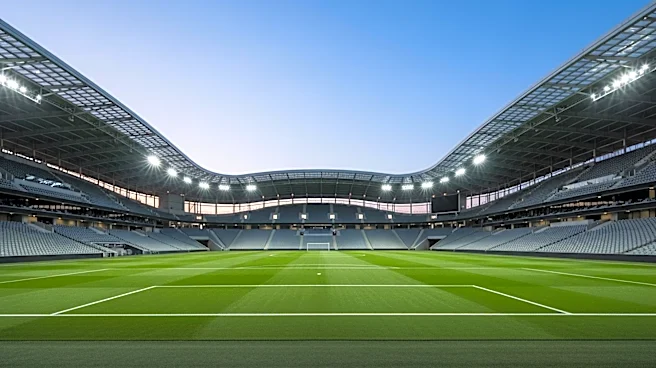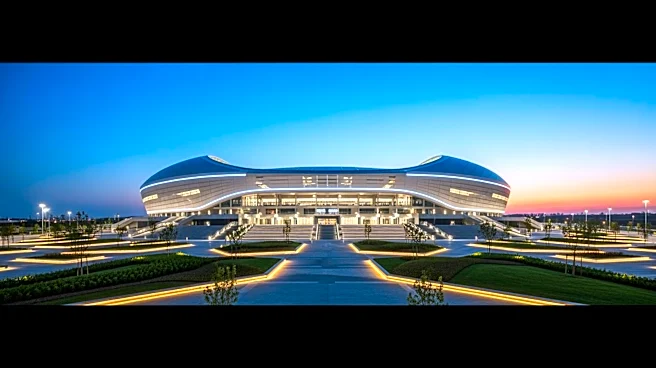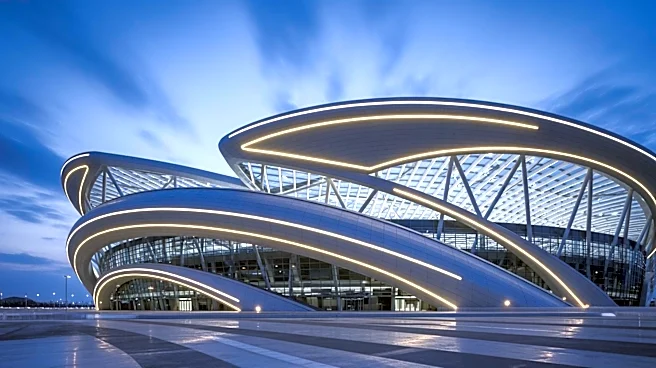







The Gwangju World Cup Stadium in South Korea stands as a significant landmark in the world of football, having played a pivotal role during the 2002 FIFA World Cup. This multi-purpose stadium, located in Gwangju, was constructed with the primary aim of hosting matches for this prestigious global event. With a seating capacity of 40,245, it not only served as a venue for thrilling football matches but also became a symbol of South Korea's growing presence
in international sports.
Construction and Purpose
The Gwangju World Cup Stadium was built between 1998 and 2001, with construction beginning in November 1998. The stadium was specifically designed to accommodate the needs of the 2002 FIFA World Cup, which was co-hosted by South Korea and Japan. As part of the preparations for the World Cup, the stadium was equipped with state-of-the-art facilities to ensure it met international standards. The decision to build such a large stadium in Gwangju was part of a broader strategy to promote the city as a hub for sports and cultural events.
The stadium's construction was managed by the Sports Support Division of the Culture & Sports Policy Office of the Gwangju Metropolitan City. This management ensured that the stadium was not only a venue for sports but also a cultural landmark. The Gwangju World Cup Stadium was one of several stadiums across South Korea that were built or renovated for the World Cup, highlighting the country's commitment to hosting a successful tournament.
The 2002 FIFA World Cup
During the 2002 FIFA World Cup, the Gwangju World Cup Stadium hosted several matches, drawing fans from around the world. The event was a milestone for South Korea, as it marked the first time the country had hosted the World Cup. The stadium's role in the tournament was significant, as it provided a platform for some of the most memorable matches of the event.
The 2002 World Cup was particularly notable for South Korea's national team, which reached the semi-finals for the first time in history. This achievement was largely attributed to the efforts of Guus Hiddink, the team's manager at the time. In honor of his contributions, the stadium is unofficially referred to as the Guus Hiddink Stadium, a testament to his impact on South Korean football.
Beyond the World Cup
Following the World Cup, the Gwangju World Cup Stadium continued to serve as a key venue for sports and cultural events. It became the home stadium for Gwangju FC, a team in the K League, South Korea's professional football league. The stadium also hosted the 3rd Asia Song Festival in 2006 and was the main venue for the 2015 Summer Universiade, further cementing its status as a versatile and important facility.
The legacy of the Gwangju World Cup Stadium extends beyond its physical structure. It represents a period of growth and international recognition for South Korea, showcasing the country's ability to host major global events. The stadium remains a symbol of pride for the city of Gwangju and continues to be a focal point for sports and cultural activities in the region.