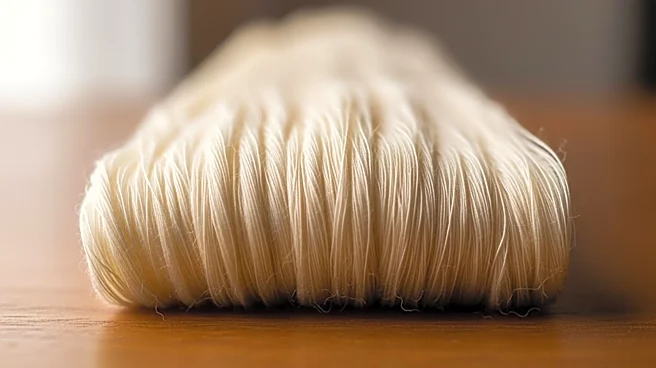

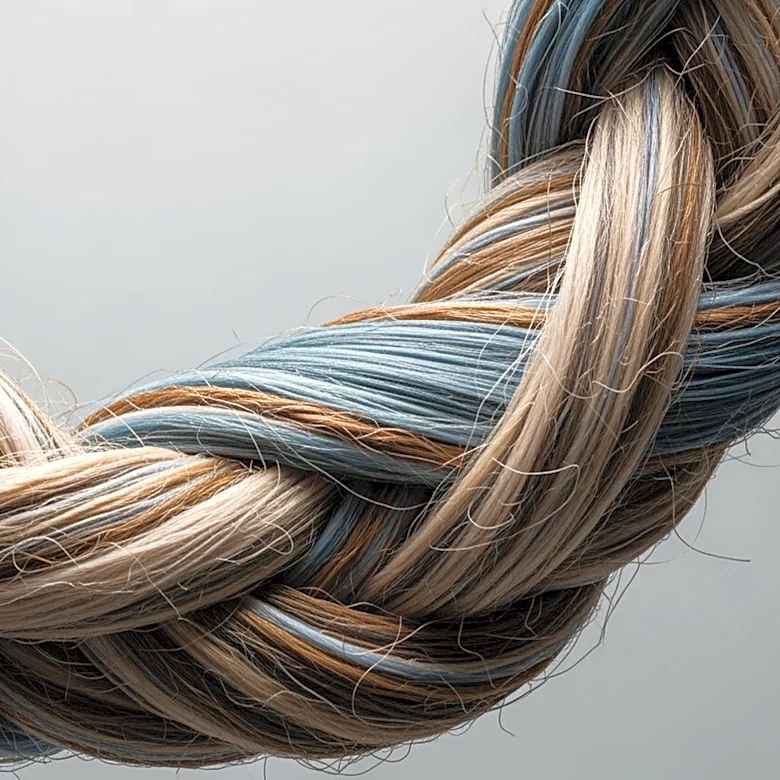






Staple fibers are a fundamental component of the textile industry, playing a crucial role in the production of yarns and fabrics. These fibers are characterized by their discrete lengths, as opposed to filament fibers, which are continuous. The length and quality of staple fibers significantly influence the properties of the final textile product, affecting everything from texture to durability.
Characteristics of Staple Fibers
Staple fibers can be derived from both natural and synthetic
sources. Natural fibers like cotton and wool are inherently staple fibers, with lengths that vary depending on the source. For instance, cotton fibers are categorized by their staple length, which can range from short to extra-long. The quality of cotton is often determined by its staple length, with longer fibers producing softer and more durable fabrics.
Synthetic fibers, on the other hand, are typically produced as continuous filaments. However, they can be cut into staple lengths to mimic the properties of natural fibers. This process allows manufacturers to create synthetic yarns that offer the same texture and feel as natural fibers, while also providing the benefits of synthetic materials, such as increased durability and resistance to shrinkage.
Importance in Yarn Spinning
The staple length of fibers is a critical factor in yarn spinning, as it affects the ease with which fibers can be twisted together to form yarn. Longer staple fibers are generally easier to spin and result in smoother, stronger yarns. In contrast, shorter fibers can lead to yarns that are more prone to pilling and have a rougher texture.
The spinning process also influences the final properties of the fabric. For example, yarns made from long staple fibers are often used in high-quality textiles, such as fine linens and luxury clothing. These fabrics are known for their softness and durability, making them highly desirable in the fashion industry.
Impact on Fabric Quality
The quality of a fabric is closely linked to the staple length of the fibers used in its production. Fabrics made from long staple fibers tend to be more uniform and have a finer texture, while those made from short staple fibers may have a more irregular appearance and feel coarser to the touch.
In addition to texture, staple length also affects the strength and longevity of a fabric. Longer fibers create stronger yarns, which in turn produce more durable fabrics. This is why extra-long staple cotton, such as that from the Gossypium barbadense species, is highly prized for its ability to produce superior textiles.
In summary, staple fibers are a vital component of the textile industry, influencing the quality and characteristics of the fabrics we use every day. Understanding the role of staple fibers can help consumers make informed choices about the textiles they purchase, ensuring they select products that meet their needs and preferences.