
Facial masks have been a part of human culture for centuries, serving various purposes from ritualistic to cosmetic. These masks have evolved significantly over time, reflecting changes in cultural practices
and advancements in skincare technology. This article delves into the historical journey of facial masks, highlighting their origins and transformations across different civilizations.
Ancient Beginnings
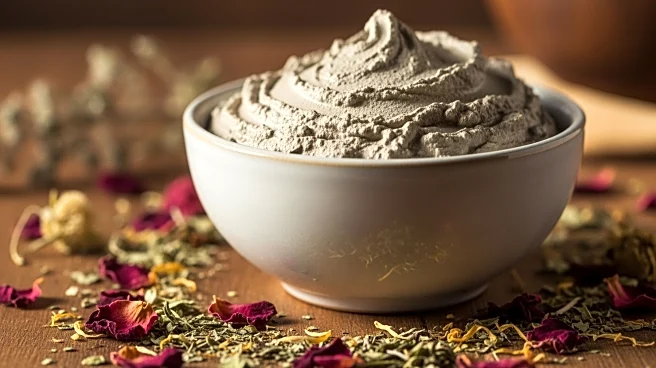
Facial masks have a rich history that dates back to ancient civilizations. In Egypt, masks were used not only for aesthetic purposes but also to treat specific skin conditions. The Egyptians were known for their beauty rituals, and facial masks played a crucial role in their skincare regimen. Similarly, in ancient Greece, herbal mixtures were applied to the skin to enhance texture and radiance. These early masks were often made from natural ingredients like herbs and clays, which were believed to have healing properties.
In China and India, facial masks were also prevalent, with each culture incorporating its unique ingredients and techniques. In China, herbal ingredients were mixed with natural clays to create masks that were used for both beauty and medicinal purposes. In India, Ayurvedic practices involved the use of herbs and clays to produce masks that promoted skin health and vitality. These ancient practices laid the foundation for the diverse range of facial masks we see today.
The Rise of Modern Skincare
The development of facial masks took a significant turn in the 19th century with the first patent for a facial mask in Ohio, United States. This mask, created by Helen Rowley in 1875, claimed to bleach, purify, and preserve the complexion. This marked the beginning of facial masks as a commercial skincare product, paving the way for the modern beauty industry.
Today, facial masks are a staple in skincare routines worldwide. They come in various forms, including sheet masks, clay masks, and LED masks, each designed to address specific skin concerns. Modern masks often contain advanced ingredients like hyaluronic acid, collagen, and antioxidants, which offer hydrating, rejuvenating, and protective effects. The evolution of facial masks reflects the ongoing quest for healthier, more radiant skin.
Cultural Significance and Modern Innovations
Facial masks have not only evolved in terms of ingredients and technology but also in their cultural significance. In many cultures, masks are still used in traditional rituals and ceremonies, symbolizing beauty, health, and spiritual well-being. The use of masks in these contexts highlights their enduring cultural importance.
Recent advancements in skincare technology have led to the development of innovative facial masks that incorporate biodegradable polymers, nanomaterials, and biomimetic technologies. These innovations enhance the effectiveness of masks by improving the uptake of active ingredients, offering consumers more targeted and efficient skincare solutions.
In conclusion, the journey of facial masks from ancient rituals to modern skincare highlights their enduring appeal and adaptability. As technology continues to advance, facial masks will likely evolve further, continuing to play a vital role in beauty and wellness practices around the world.