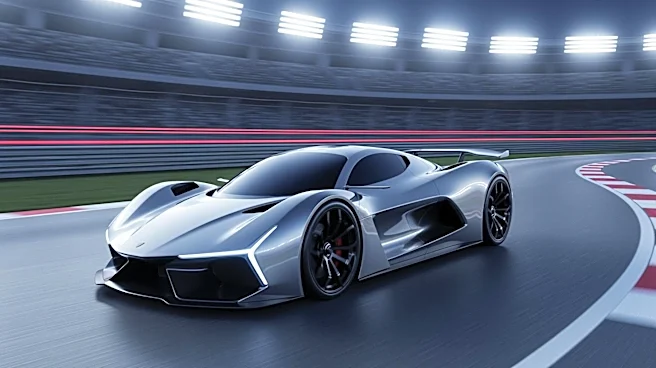







The introduction of the Hypercar class in the FIA World Endurance Championship (WEC) marked a significant turning point in the series' history. This new category was designed to rejuvenate interest in endurance racing by attracting high-profile manufacturers and their flagship models. This article delves into the impact of Hypercars on the WEC, examining how they have reshaped the competition and influenced the series' future.
The Genesis of the Hypercar Class
The Hypercar class was
introduced in 2021 as a response to declining interest in the LMP1 category. The FIA and ACO recognized the need for a fresh approach to maintain the championship's appeal and competitiveness. The Hypercar class was conceived to allow for greater flexibility in vehicle design, moving away from the heavy reliance on hybrid technologies that characterized the LMP1 era.
This new class aimed to attract manufacturers by offering a platform to showcase their most advanced and prestigious models. The regulations were crafted to accommodate both Le Mans Hypercar (LMH) and Le Mans Daytona h (LMDh) entries, providing teams with the option to choose between different technological paths. This flexibility was intended to lower costs and encourage broader participation from manufacturers.
Competitive Dynamics and Manufacturer Participation
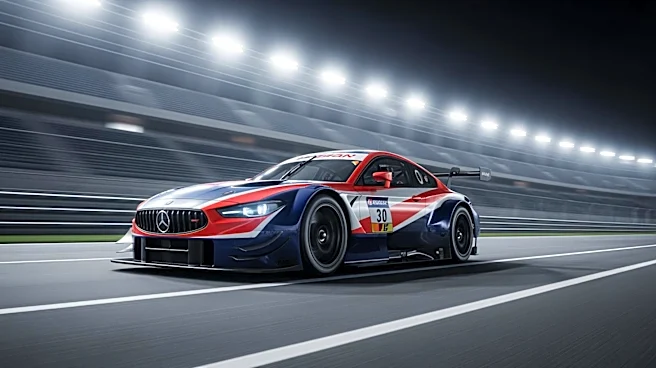
The introduction of the Hypercar class has significantly altered the competitive landscape of the WEC. With entries from renowned manufacturers such as Alpine, Glickenhaus, and Toyota, the Hypercar class has brought renewed excitement and attention to the series. These manufacturers have embraced the opportunity to compete at the highest level of endurance racing, showcasing their engineering prowess and innovation.
The Hypercar class has also fostered closer competition on the track. The regulations have been designed to ensure parity between different types of vehicles, leading to more closely contested races. This has resulted in thrilling on-track battles and sustained overtaking, enhancing the spectacle for fans and participants alike.
Future Prospects and Challenges
As the WEC continues to evolve, the Hypercar class is expected to play a central role in shaping the series' future. The class has already demonstrated its potential to attract new manufacturers and increase the championship's global appeal. However, challenges remain, including the need to balance technological innovation with cost control to ensure the sustainability of the series.
Looking ahead, the Hypercar class is poised to remain a cornerstone of the WEC, driving innovation and competition in endurance racing. As manufacturers continue to develop and refine their Hypercar entries, the series is set to offer even more thrilling and competitive racing, solidifying its position as a premier global motorsport championship.