



The twincharger is an innovative forced induction system that combines the strengths of both a supercharger and a turbocharger. This unique setup is designed to enhance the performance of internal combustion engines by addressing the limitations of each component. By integrating these two types of compressors, the twincharger system offers a more efficient and responsive engine performance, making it a desirable choice for certain automotive applications.
The Mechanics of Twincharging
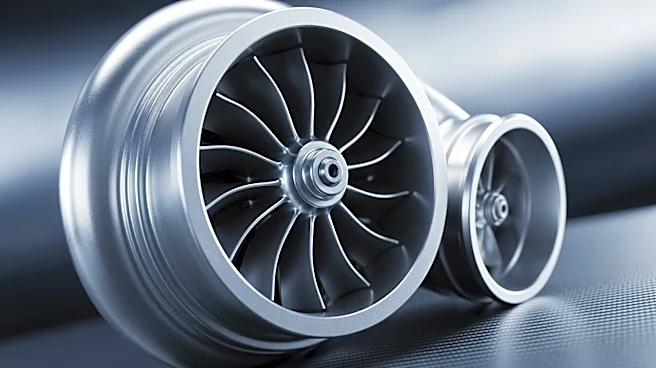
At the heart of the twincharger system is the combination of an exhaust-driven turbocharger and a mechanically driven supercharger. Each component plays a crucial role in optimizing engine performance. The supercharger, driven directly by the engine's crankshaft, provides immediate boost and enhances low-rpm performance. This is particularly beneficial because it does not rely on exhaust gases to generate pressure, thus eliminating the lag typically associated with turbochargers.
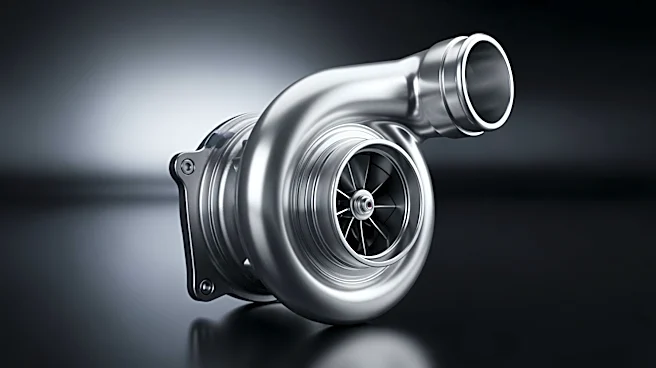
On the other hand, the turbocharger is more efficient at higher engine speeds, as it utilizes exhaust gases to compress the intake air. This efficiency reduces the parasitic load on the engine, which is a common drawback of superchargers. By combining these two systems, the twincharger effectively mitigates the weaknesses of each, resulting in a more responsive and powerful engine across a wide range of speeds.
Advantages of the Twincharger System
One of the primary advantages of the twincharger system is its ability to provide a lag-free power band. The supercharger's immediate response at low engine speeds ensures that there is no delay in power delivery, which is often a concern with larger turbochargers. As the engine speed increases, the turbocharger takes over, providing the necessary boost for high-end power without the inefficiencies of a supercharger.
This setup is particularly beneficial for small-displacement engines, which can take advantage of the broad torque band offered by twincharging. Engines like Volkswagen's 1.4 TSI have successfully utilized this technology to deliver impressive performance while maintaining fuel efficiency. The twincharger system allows these engines to operate efficiently across a wide range of speeds, making them suitable for various driving conditions.
Challenges and Considerations
Despite its benefits, the twincharger system is not without its challenges. The complexity and cost of integrating both a supercharger and a turbocharger can be significant. This often requires advanced electronic and mechanical controls to ensure smooth power delivery and optimal performance. Additionally, in spark-ignition engines, a lower compression ratio may be necessary to accommodate high boost levels, which can offset some of the efficiency gains.
Overall, the twincharger system represents a sophisticated approach to engine performance enhancement. By leveraging the strengths of both superchargers and turbochargers, it offers a compelling solution for achieving a balance between power and efficiency in modern internal combustion engines.