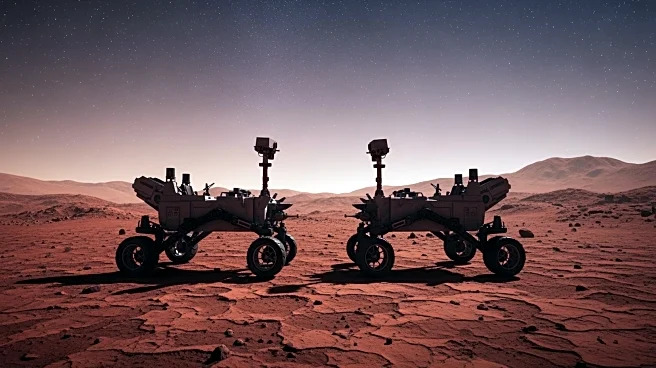


In 2003, NASA launched the Mars Exploration Rover mission, sending two robotic rovers, Spirit and Opportunity, to explore the Martian surface. These twin rovers were tasked with uncovering the secrets of Mars' past, particularly its history with water. Over the years, Spirit and Opportunity embarked on separate but equally remarkable journeys, each contributing unique insights into the Red Planet's geology and potential habitability.
Spirit's Journey in Gusev Crater
Spirit, designated
as MER-A, landed in Gusev Crater on January 4, 2004. Gusev Crater was chosen as a landing site due to its potential as a former lakebed, offering a promising location to search for signs of past water activity. Spirit's mission began with a series of panoramic images that provided scientists with a detailed view of the surrounding terrain, helping them identify geological targets for further investigation.
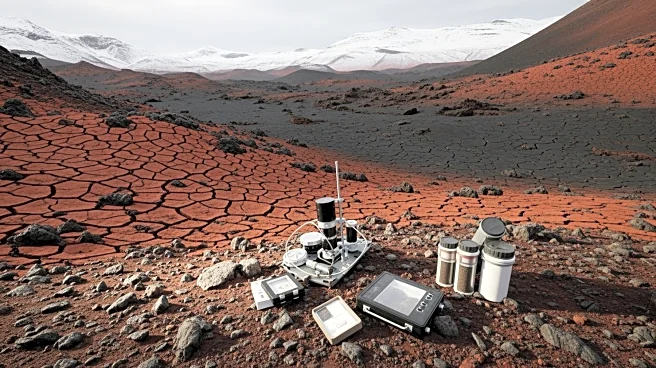
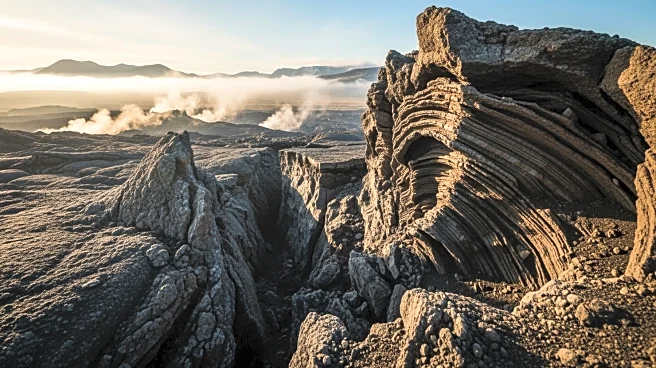
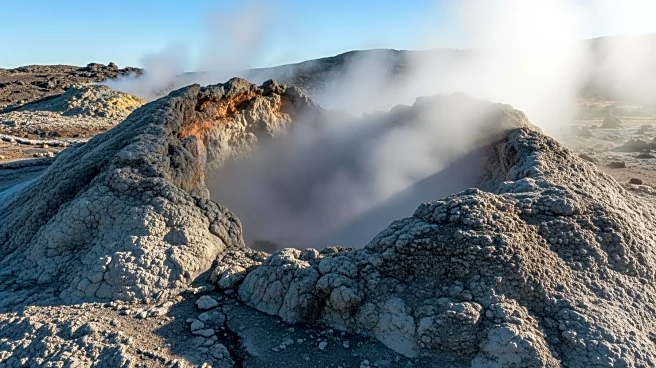
Throughout its mission, Spirit made significant discoveries that shed light on Mars' geological history. The rover found evidence of past hydrothermal activity in the Columbia Hills, a region it explored extensively. Spirit's instruments detected minerals such as goethite, which forms only in the presence of water, providing direct evidence of past aqueous processes. Additionally, Spirit uncovered silica-rich soil, suggesting that hot springs or fumaroles may have once existed in the area.
Despite facing challenges such as dust storms and mechanical issues, Spirit continued to operate until March 2010. The rover's journey ended when it became stuck in soft sand, unable to free itself. However, Spirit's contributions to our understanding of Mars were invaluable, providing a wealth of data that continues to inform scientific research.
Opportunity's Exploration of Meridiani Planum
Opportunity, known as MER-B, landed in Meridiani Planum on January 25, 2004, three weeks after Spirit. The landing site was selected for its high concentration of hematite, a mineral that typically forms in water. Opportunity's mission began with the discovery of small, spherical hematite concretions, dubbed "blueberries," which provided compelling evidence of past water activity in the region.
Opportunity's exploration of Meridiani Planum revealed a landscape shaped by water-related processes. The rover discovered sedimentary rock layers, indicating that the area had once been covered by water. Opportunity also found evidence of ancient shorelines, suggesting that a salty sea may have existed in the past. These findings were crucial in confirming that Mars had once harbored environments capable of supporting life.
Opportunity's mission extended far beyond its initial 90-day plan, continuing until June 2018. The rover traveled over 28 miles, exploring craters and geological formations that offered further insights into Mars' history. Opportunity's longevity and success made it one of NASA's most celebrated missions, leaving a lasting legacy in the field of planetary exploration.
The Legacy of the Twin Rovers
Spirit and Opportunity, though separated by distance and terrain, shared a common goal: to uncover the mysteries of Mars' past. Together, they provided a comprehensive view of the planet's geological history, revealing the presence of water and the potential for habitability. Their discoveries have paved the way for future missions, guiding scientists in their quest to understand Mars and its potential to support life.
The twin rovers' success was a testament to the ingenuity and perseverance of the teams behind them. Spirit and Opportunity's journeys were marked by challenges, but their ability to overcome obstacles and continue their missions for years beyond their expected lifespans was a remarkable achievement. The data they collected continues to be a valuable resource for researchers, contributing to our understanding of Mars and its place in the solar system.
As we look to the future of Mars exploration, the legacy of Spirit and Opportunity serves as a reminder of the potential for discovery and the importance of perseverance in the pursuit of knowledge. Their contributions have laid the groundwork for new missions, inspiring a new generation of explorers to continue the quest to unlock the secrets of the Red Planet.