




General Motors (GM) has been a cornerstone of the automotive industry for over a century. Throughout its history, GM has undergone significant reorganizations and introduced numerous innovations that have shaped its trajectory. This article explores the key moments of reorganization and innovation that have defined GM's legacy.
The 2009 Reorganization
One of the most pivotal moments in GM's history was its reorganization in 2009. This major restructuring was a response to the financial
crisis that hit the automotive industry hard. GM emerged from this reorganization as a smaller, more streamlined company, shedding several subsidiaries and assets to focus on its core brands.
The 2009 reorganization was not just about downsizing; it was about refocusing the company's efforts on innovation and efficiency. By divesting non-core assets, GM was able to allocate more resources to research and development, paving the way for new technologies and models. This strategic shift allowed GM to remain competitive in a rapidly changing industry.
Innovations in Automotive Technology
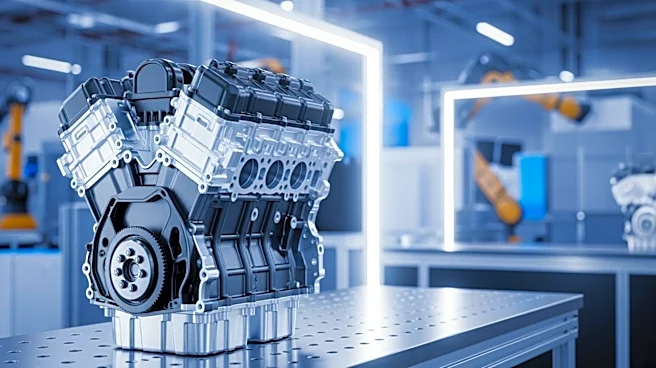
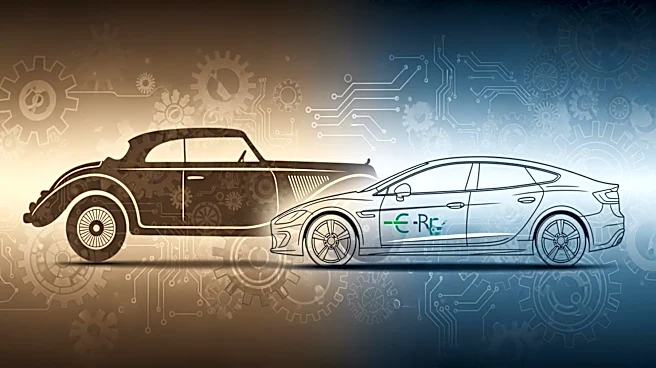
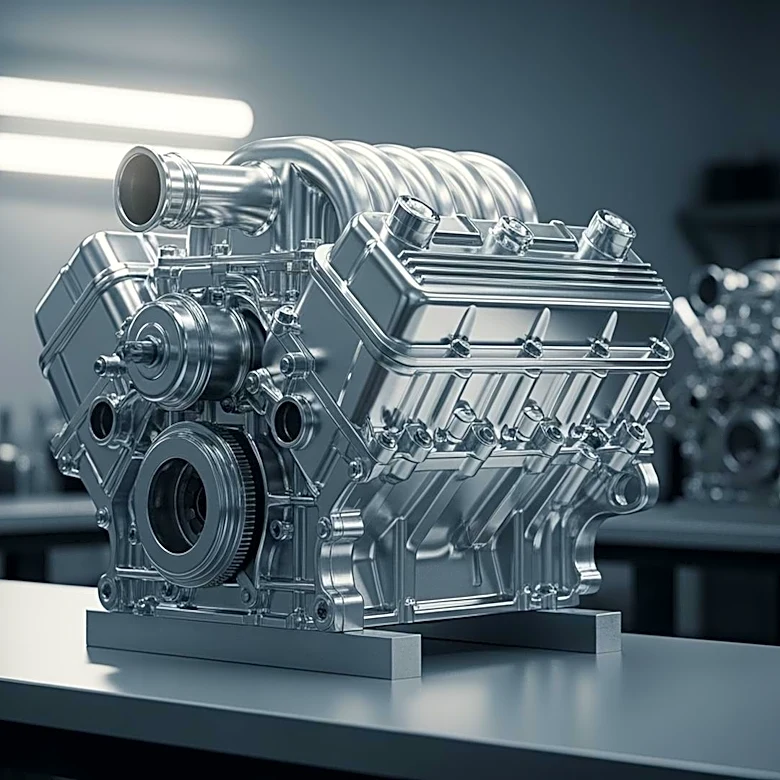
Innovation has always been at the heart of GM's operations. Over the years, the company has introduced numerous technological advancements that have set new standards in the automotive industry. From the development of the overhead valve engine to the introduction of the Chevrolet Volt, GM has consistently pushed the boundaries of what is possible in automotive engineering.
The Chevrolet Volt, introduced in 2010, was a groundbreaking plug-in hybrid vehicle that showcased GM's commitment to sustainability and innovation. It received multiple awards and was a testament to GM's ability to adapt to changing consumer preferences and environmental concerns. The success of the Volt demonstrated GM's capacity to lead in the development of eco-friendly vehicles.
The Role of Leadership in GM's Evolution
Leadership has played a crucial role in GM's ability to navigate challenges and drive innovation. Figures like William C. Durant and Alfred Sloan were instrumental in shaping the company's early years, while more recent leaders have continued to guide GM through periods of change and uncertainty.
The leadership at GM has consistently emphasized the importance of innovation and adaptability. This focus has allowed the company to remain at the forefront of the automotive industry, even as it faced economic downturns and increased competition. By fostering a culture of innovation, GM has been able to introduce new technologies and models that meet the evolving needs of consumers.
General Motors' history is a testament to its resilience and ability to innovate. Through strategic reorganizations and a commitment to technological advancement, GM has maintained its position as a leader in the automotive industry. As the company continues to evolve, its legacy of innovation and adaptability will undoubtedly guide its future endeavors.