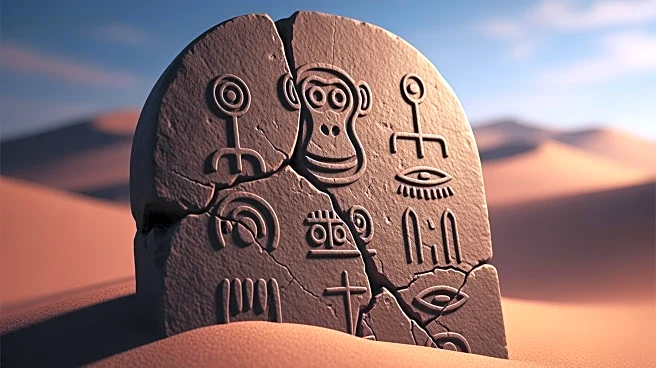

Since its release in 1968, *Planet of the Apes* has left an indelible mark on popular culture. The film's exploration of themes such as human nature, societal roles, and the consequences of nuclear war
resonated with audiences and critics alike. This article explores the cultural and social influence of this iconic science fiction film.
A Reflection of Social Issues
*Planet of the Apes* arrived at a time of significant social upheaval in the United States. The civil rights movement, the Vietnam War, and the threat of nuclear conflict were at the forefront of public consciousness. The film's narrative, which depicted a world where apes ruled over humans, served as a powerful allegory for these contemporary issues.
The film's portrayal of a society where roles are reversed challenged viewers to reflect on their own world. The apes' treatment of humans as inferior beings mirrored the racial and social injustices present in 1960s America. This allegorical approach allowed the film to address complex topics in a way that was both engaging and thought-provoking.
Lasting Influence on Media
The success of *Planet of the Apes* extended beyond its initial release, influencing a wide range of media. The film spawned four sequels, a television series, and an animated series, each expanding on the original's themes and narrative. The franchise's longevity is a testament to its ability to captivate audiences and inspire further exploration of its core ideas.
In addition to its direct sequels, *Planet of the Apes* has been referenced and parodied in numerous films, television shows, and other forms of media. Its iconic scenes, such as the reveal of the Statue of Liberty, have become ingrained in popular culture. The film's impact is evident in the way it continues to be a touchstone for discussions about science fiction and social commentary.
A Legacy of Thought-Provoking Storytelling
The enduring appeal of *Planet of the Apes* lies in its ability to provoke thought and discussion. The film's exploration of themes like power, identity, and the consequences of human actions remains relevant today. Its narrative encourages viewers to question their own society and consider the potential outcomes of their choices.
As a result, *Planet of the Apes* has become more than just a science fiction film; it is a cultural phenomenon that continues to inspire and challenge audiences. Its legacy is a testament to the power of storytelling to reflect and influence the world around us.