



The Ford F-Series has been a staple in the American automotive landscape since its introduction in 1948. Known for its durability and versatility, the F-Series has evolved through numerous generations, adapting to changing consumer needs and technological advancements. This article explores the historical development of the Ford F-Series, highlighting key milestones and changes that have shaped its legacy.
The Early Years: 1948-1952
The Ford F-Series was introduced in 1948 as a dedicated
truck platform, marking a significant departure from the car-based trucks that preceded it. This first generation, known as the Ford Bonus-Built trucks, included a range of models from the light-duty F-1 to the heavy-duty F-8. The introduction of the F-Series allowed Ford to expand its truck offerings, catering to a variety of commercial and personal uses.
During this period, the F-Series trucks were equipped with flathead engines, a design choice that was consistent across the lineup. The trucks featured a new cab design, known as the "Million-Dollar Cab," which offered increased comfort and visibility. This generation set the foundation for the F-Series' reputation for reliability and performance.
Mid-Century Innovations: 1953-1960
The second generation of the F-Series, introduced in 1953, brought significant changes to the lineup. The model nomenclature was revised, with the F-1 becoming the F-100, and the introduction of the F-250 and F-350 models. This generation saw the introduction of the Y-block V8 engine, replacing the long-running Flathead V8.
In 1957, the third generation of the F-Series was launched, featuring a more modern design with integrated front fenders and a new "Styleside" bed. This generation also marked the introduction of factory four-wheel-drive options, expanding the F-Series' appeal to off-road enthusiasts and commercial users alike.
Modernization and Expansion: 1961-Present
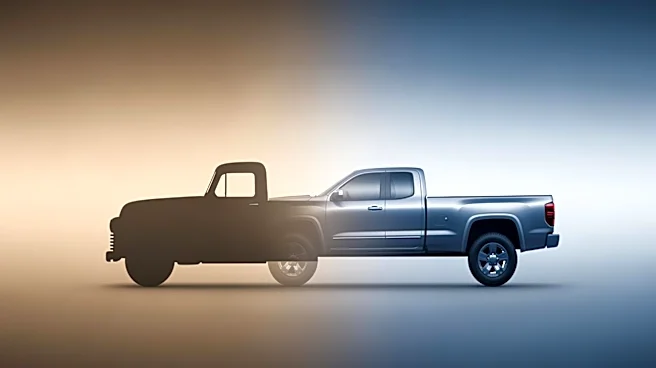
The fourth generation, introduced in 1961, continued the trend of modernization with a new platform and the introduction of the "Twin I-Beam" front suspension in 1965. This innovation improved ride quality and handling, setting a new standard for pickup trucks. The F-Series continued to evolve through the 1970s and 1980s, with the introduction of the F-150 in 1975, which would become the best-selling model in the lineup.
In recent decades, the F-Series has continued to innovate with advancements in engine technology, safety features, and design. The introduction of the Super Duty line in 1999 expanded the F-Series' capabilities, catering to heavy-duty commercial needs. Today, the F-Series remains a leader in the pickup truck market, known for its blend of performance, comfort, and versatility.