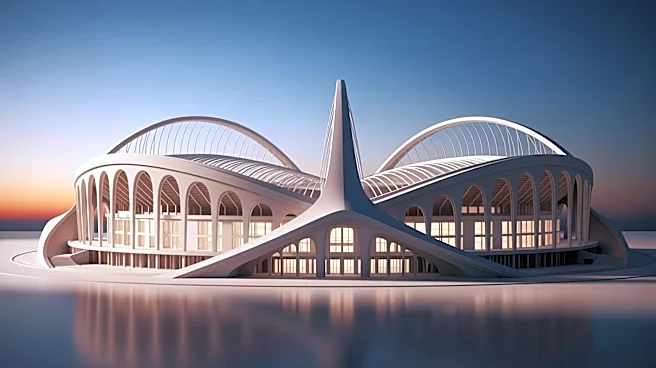

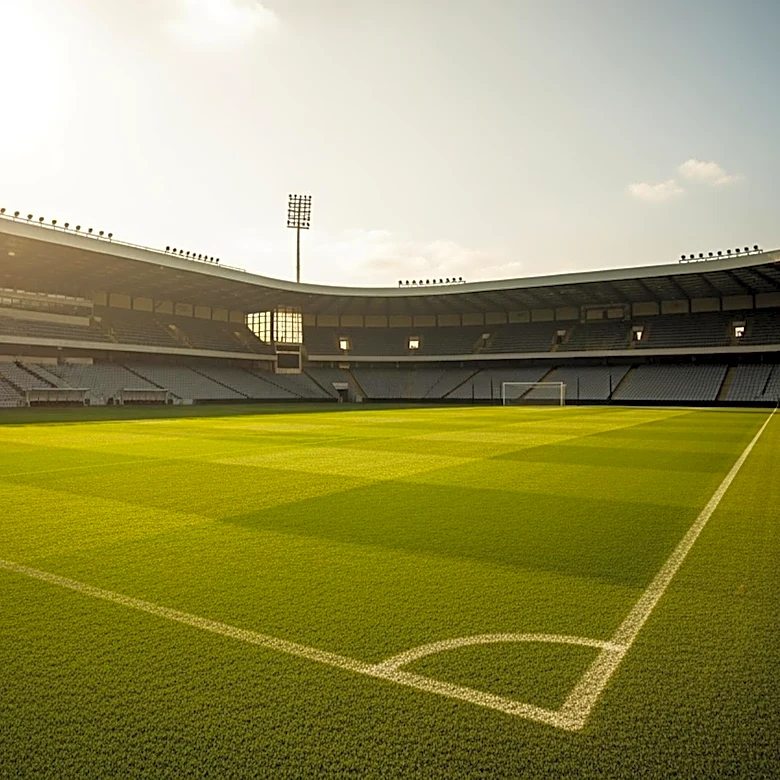


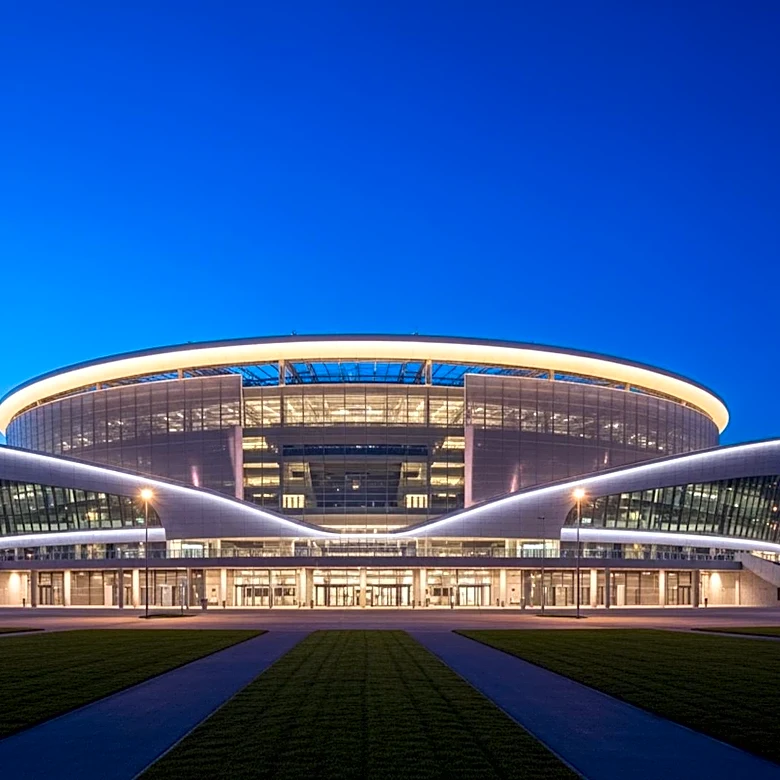



Stadio Olimpico, located in Rome, Italy, is a multi-purpose sports venue with a rich history. It is the largest sports facility in Rome and the second-largest in Italy. Over the years, it has undergone several transformations, hosting numerous significant events. This article explores the historical evolution of Stadio Olimpico, highlighting its key milestones and developments.
Early Beginnings and Construction
The construction of Stadio Olimpico began in 1928 under the direction of architect
Enrico Del Debbio. Initially, the venue was part of a larger sports complex known as Foro Italico. The stadium was expanded in 1937 by Luigi Moretti, but World War II interrupted further developments. After the war, the Italian National Olympic Committee (CONI) completed the construction, and the stadium officially opened on May 17, 1953, with a football match between Italy and Hungary.
Originally, the stadium was known as Stadio dei Centomila, or Stadium of the 100,000, due to its large capacity. It was later renamed Stadio Olimpico in 1955 when Rome was chosen to host the 1960 Summer Olympics. This renaming marked a significant milestone in the stadium's history, aligning it with the Olympic spirit and its role as a central venue for the games.
Major Renovations and Events
In preparation for the 1990 FIFA World Cup, Stadio Olimpico underwent a major renovation. The stadium was rebuilt and roofed, with the capacity adjusted to accommodate 85,000 spectators. This renovation was crucial in modernizing the facility and making it suitable for hosting international events. The 1990 World Cup saw the stadium host several matches, including the final between West Germany and Argentina.
Throughout its history, Stadio Olimpico has been a venue for various significant events. It hosted the European Championships in 1968 and 1980, as well as the 1987 World Championships in Athletics. The stadium has also been the site of multiple UEFA Champions League finals, further cementing its status as a premier sports venue.
Recent Developments and Legacy
In recent years, Stadio Olimpico has continued to be a central hub for sports and entertainment in Rome. It regularly hosts the Coppa Italia final and is the home stadium for the city's principal football clubs, S.S. Lazio and A.S. Roma. The stadium also serves as a venue for concerts and other cultural events, showcasing its versatility.
The legacy of Stadio Olimpico is one of adaptation and resilience. From its early days as part of a fascist-era sports complex to its current status as a modern, multi-purpose venue, the stadium has played a significant role in Italy's sports history. Its ability to host a wide range of events ensures that it remains a vital part of Rome's cultural and sporting landscape.